
Asian Foreign-Exchange Reserves Decline Amid Rising Oil Prices from Iran Conflict
🤖AI Özeti
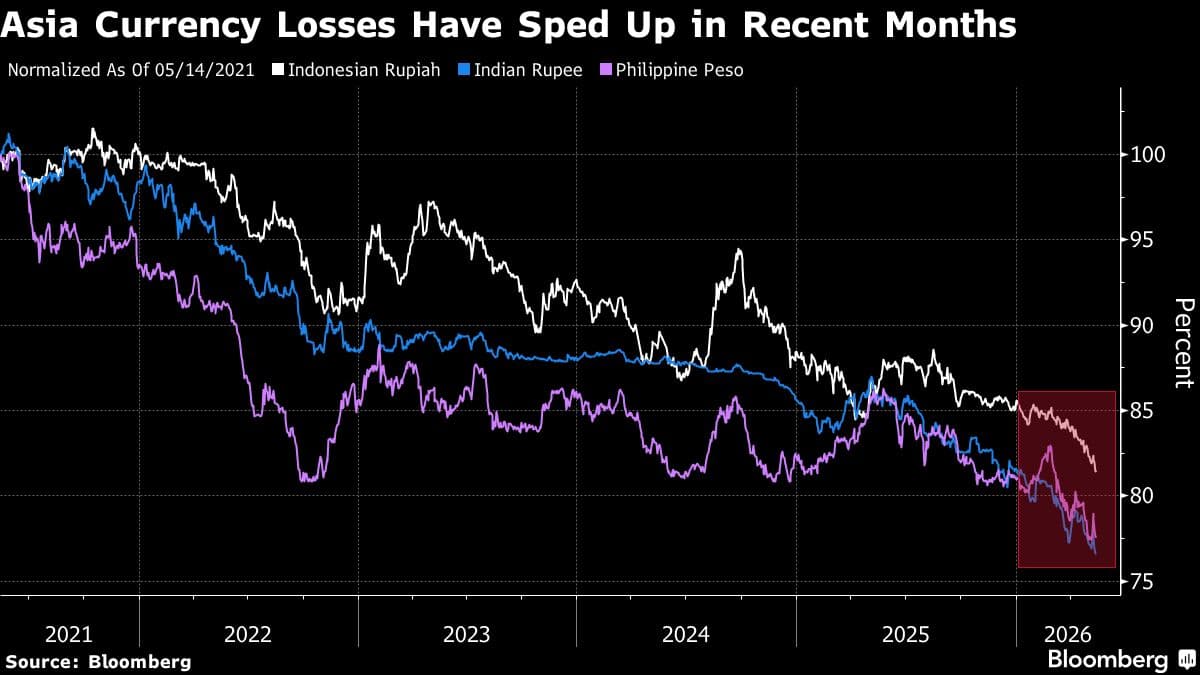
Foreign-exchange reserves in Asia are experiencing a significant decline as countries like the Philippines and India struggle to stabilize their currencies amid rising oil prices triggered by the ongoing Iran war. Policymakers are forced to utilize their reserves to counteract the financial pressures resulting from this geopolitical conflict. This situation highlights the vulnerability of Asian economies to external shocks, particularly those related to energy prices.
💡AI Analizi
📚Bağlam ve Tarihsel Perspektif
The Iran war has led to increased oil prices, creating a ripple effect across Asia as countries rely heavily on oil imports. The need to defend currencies against depreciation has prompted governments to tap into their foreign-exchange reserves, a move that could have lasting implications for their economic stability. This scenario is particularly concerning for nations with already limited reserves.
This article reflects the current economic situation and geopolitical developments as of October 2023 and may not account for future changes.
Orijinal Kaynak
Tam teknik rapor ve canlı veriler için yayıncının web sitesini ziyaret edin.
Kaynağı Görüntüleİlgili Haberler
Tümünü Gör


NewsAI Mobil Uygulamaları
Her yerde okuyun. iOS ve Android için ödüllü uygulamalarımızı indirin.