
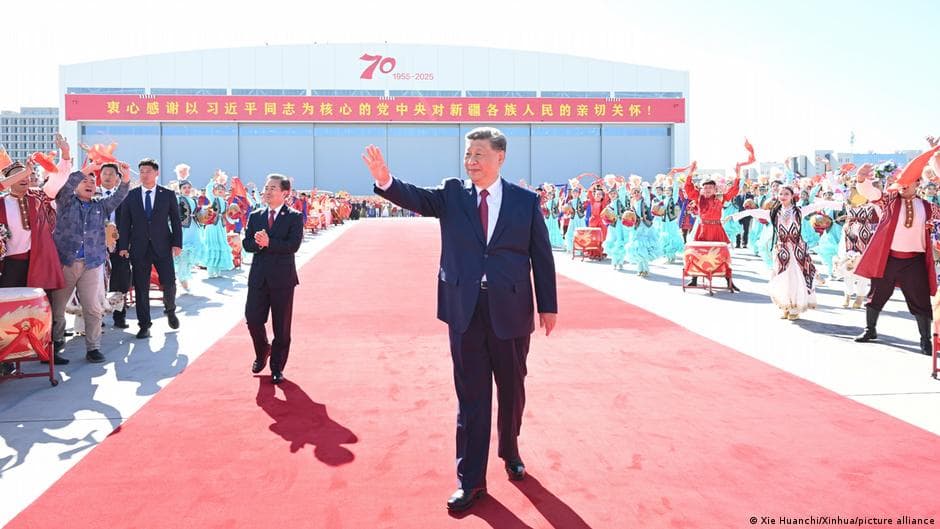
China: 'Ethnic unity' law sparks fears of forced integration
🤖AI Özeti
China's new 'Ethnic Unity' law has raised concerns among critics who argue that it could be used by the government to suppress cultural autonomy and label ethnic groups' demands as separatist. This development is seen as a potential tool for enforcing stricter integration policies. As Beijing tightens its grip on ethnic minority regions, the implications for cultural diversity and human rights are significant.
💡AI Analizi
📚Bağlam ve Tarihsel Perspektif
Historically, China has struggled with ethnic tensions, particularly in regions like Xinjiang and Tibet. The government's emphasis on 'ethnic unity' has often been accompanied by policies that many see as repressive. This law could further exacerbate existing grievances among minority populations, leading to a cycle of resistance and repression.
This article reflects the opinions of the author and does not necessarily represent the views of DW.
Orijinal Kaynak
Tam teknik rapor ve canlı veriler için yayıncının web sitesini ziyaret edin.
Kaynağı Görüntüleİlgili Haberler
Tümünü Gör
NewsAI Mobil Uygulamaları
Her yerde okuyun. iOS ve Android için ödüllü uygulamalarımızı indirin.