
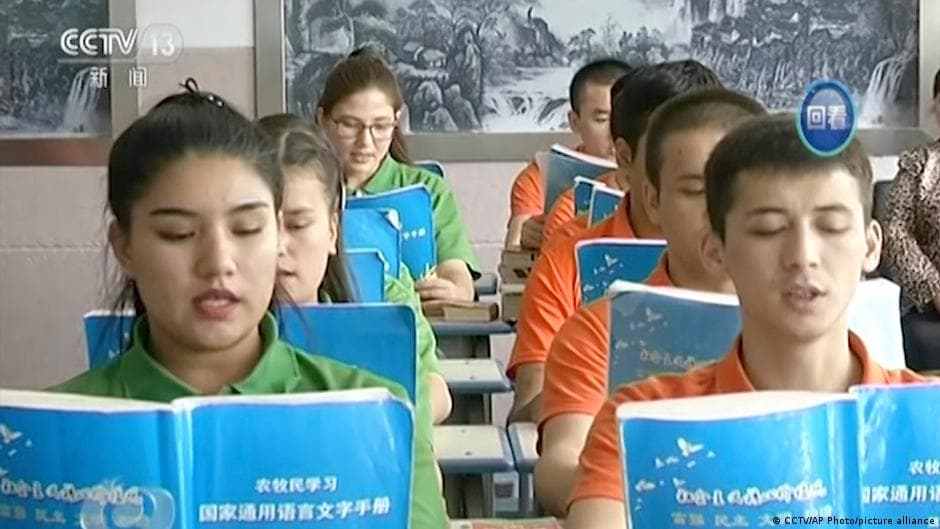
China passes controversial "ethnic unity" law
🤖AI Özeti
China has enacted a controversial law that designates Mandarin as the official language for education and public affairs. Human rights organizations have raised concerns that this legislation may lead to the marginalization of ethnic minorities. The law is seen as part of a broader effort to promote national unity at the potential expense of cultural diversity.
💡AI Analizi
📚Bağlam ve Tarihsel Perspektif
China's ethnic minorities have historically faced challenges in preserving their languages and cultures amidst a dominant Han Chinese narrative. This law fits within a pattern of policies aimed at promoting a unified national identity, often at the cost of regional languages and cultures.
This article reflects the views of the author and does not necessarily represent the stance of DW.
Orijinal Kaynak
Tam teknik rapor ve canlı veriler için yayıncının web sitesini ziyaret edin.
Kaynağı Görüntüleİlgili Haberler
Tümünü Gör


NewsAI Mobil Uygulamaları
Her yerde okuyun. iOS ve Android için ödüllü uygulamalarımızı indirin.