
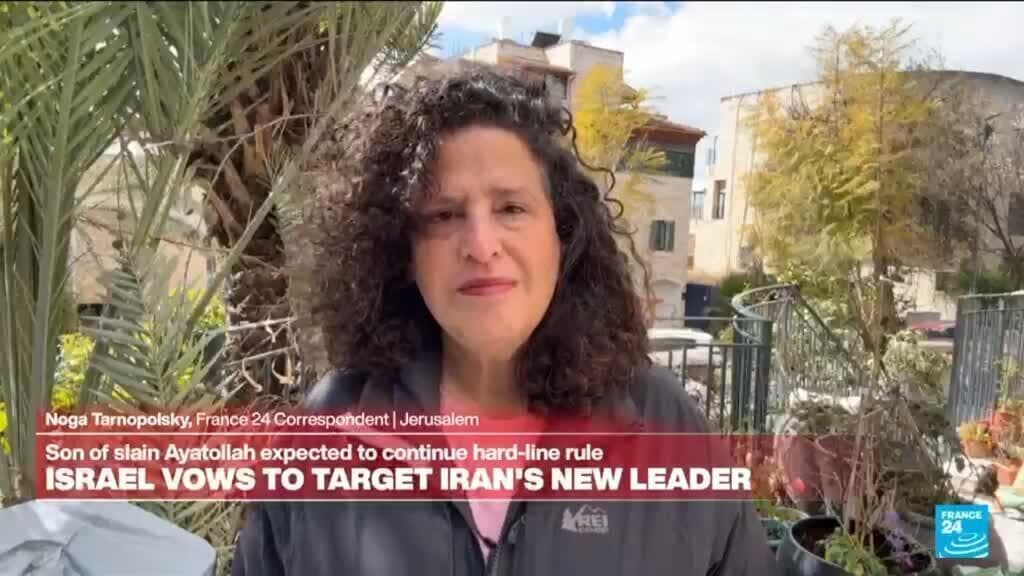
Concern 'inherited power exchange may not go down well' in Iran
🤖AI Özeti
Iran's Assembly of Experts has selected a new supreme leader, a 56-year-old cleric closely associated with the Revolutionary Guard, amidst escalating tensions with the United States and Israel. This decision has sparked various reactions within the country, reflecting concerns about the implications of an 'inherited power exchange.' FRANCE 24's Noga Tarnopolsky provides insights into the public and political responses to this significant leadership change.
💡AI Analizi
📚Bağlam ve Tarihsel Perspektif
The selection of the new supreme leader comes at a time when Iran is facing intense scrutiny and pressure from Western nations, particularly the U.S. and Israel. This context of external threats may influence the new leader's approach to governance and foreign policy, as he seeks to consolidate power and maintain the regime's authority.
This article reflects the views and analysis of the author and does not necessarily represent the opinions of France 24.
Orijinal Kaynak
Tam teknik rapor ve canlı veriler için yayıncının web sitesini ziyaret edin.
Kaynağı Görüntüleİlgili Haberler
Tümünü Gör


NewsAI Mobil Uygulamaları
Her yerde okuyun. iOS ve Android için ödüllü uygulamalarımızı indirin.