
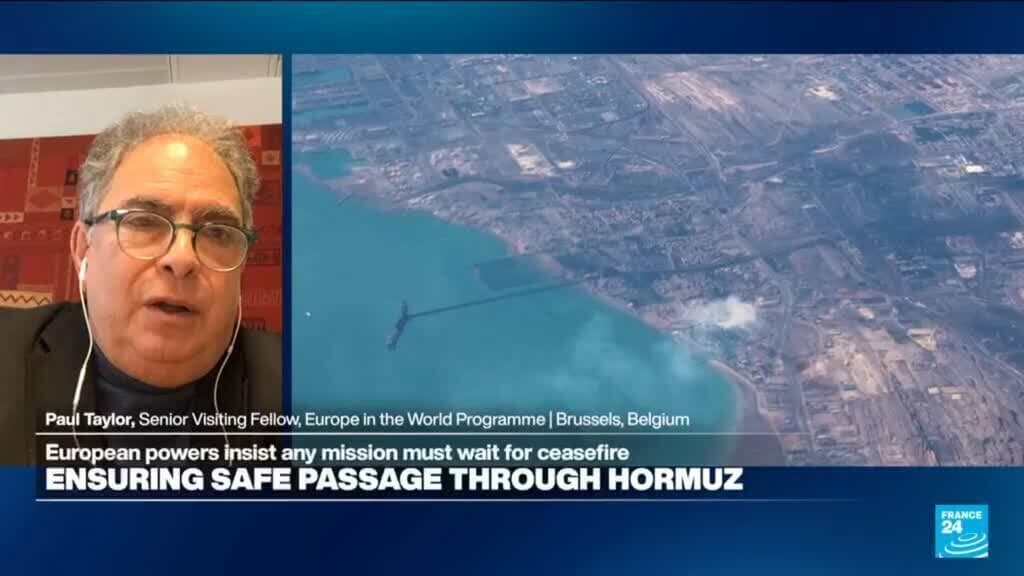
Despite decapitation, Iran’s regime endures: Does Hormuz blockade give Tehran the upper hand?
🤖AI Özeti
In a discussion on the ongoing blockade of the Strait of Hormuz, Paul Taylor emphasizes that the challenges faced by Iran's regime extend beyond mere military might. He suggests that the effectiveness of asymmetric warfare, including the use of drones, complicates the situation significantly. Taylor argues that the reopening of the Strait is fundamentally a matter of political and diplomatic negotiation rather than just a logistical issue.
💡AI Analizi
📚Bağlam ve Tarihsel Perspektif
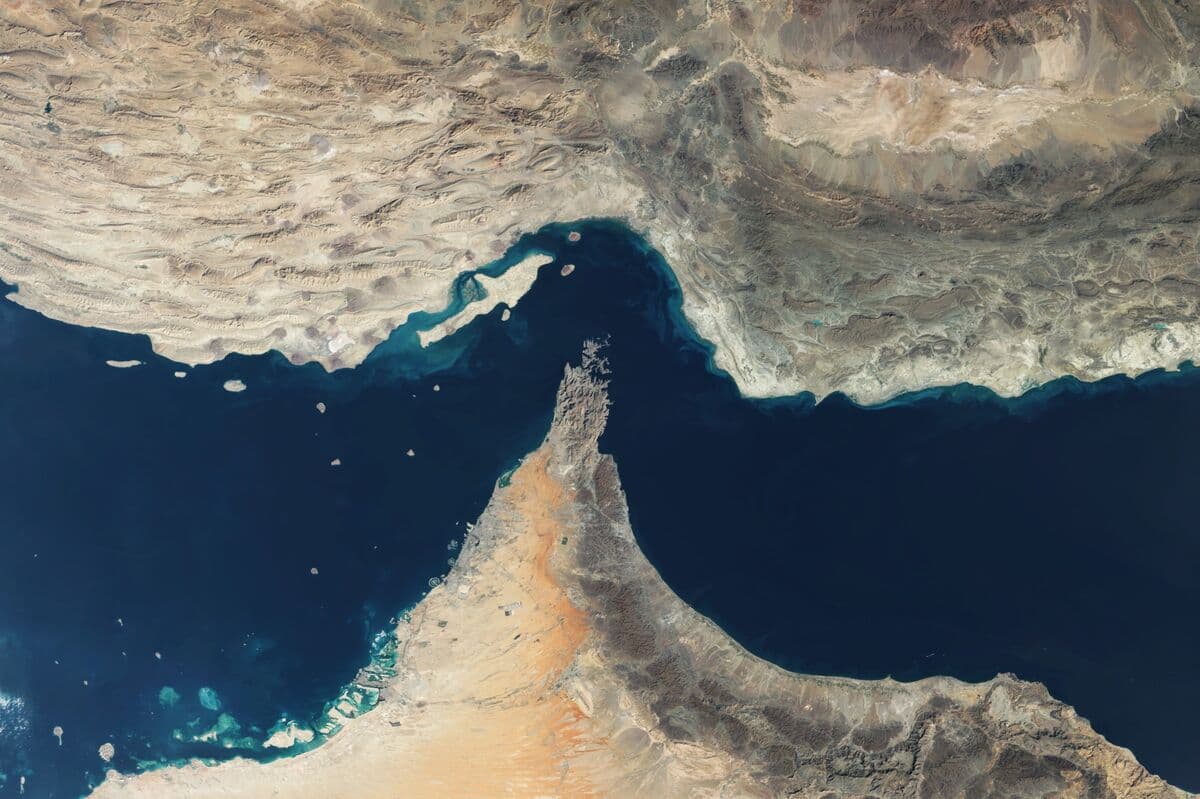
The Strait of Hormuz is a vital waterway for global oil shipments, and its blockade has significant implications for international trade and security. The ongoing tensions in the region, particularly involving Iran, underscore the complexities of geopolitical maneuvering in an era where asymmetric warfare plays a crucial role.
The views expressed in this article are those of the author and do not necessarily reflect the views of France 24.
Orijinal Kaynak
Tam teknik rapor ve canlı veriler için yayıncının web sitesini ziyaret edin.
Kaynağı Görüntüleİlgili Haberler
Tümünü Gör
NewsAI Mobil Uygulamaları
Her yerde okuyun. iOS ve Android için ödüllü uygulamalarımızı indirin.