

‘Drinking from a fetid pond’: superbug-creating genes found in UK’s largest lake
🤖AI Özeti
Genes that can create antibiotic-resistant superbugs have been discovered in Lough Neagh, the largest lake in the UK, which provides drinking water to 40% of Northern Ireland. Testing revealed the presence of genes resistant to various antibiotics, including carbapenems, which are critical for treating severe infections when other options are exhausted. This alarming finding raises concerns about the safety of the drinking water supply and the potential health risks for the population.
💡AI Analizi
📚Bağlam ve Tarihsel Perspektif
Lough Neagh is a vital water source for Northern Ireland, and the discovery of superbug-related genes poses a significant threat to public health. The presence of these genes may be attributed to various factors, including agricultural runoff and inadequate wastewater management, highlighting the need for comprehensive strategies to address antibiotic resistance in both environmental and healthcare settings.
This article is based on findings reported by The Guardian and is intended for informational purposes only. Readers are encouraged to consult health professionals for advice regarding antibiotic use and public health concerns.
Orijinal Kaynak
Tam teknik rapor ve canlı veriler için yayıncının web sitesini ziyaret edin.
Kaynağı Görüntüleİlgili Haberler
Tümünü Gör
Clinical Japan confident of taking down Philippines at Women's Asian Cup
14 Mart 2026
Brentford, the World Cup and an itch to return to Gaelic football
14 Mart 2026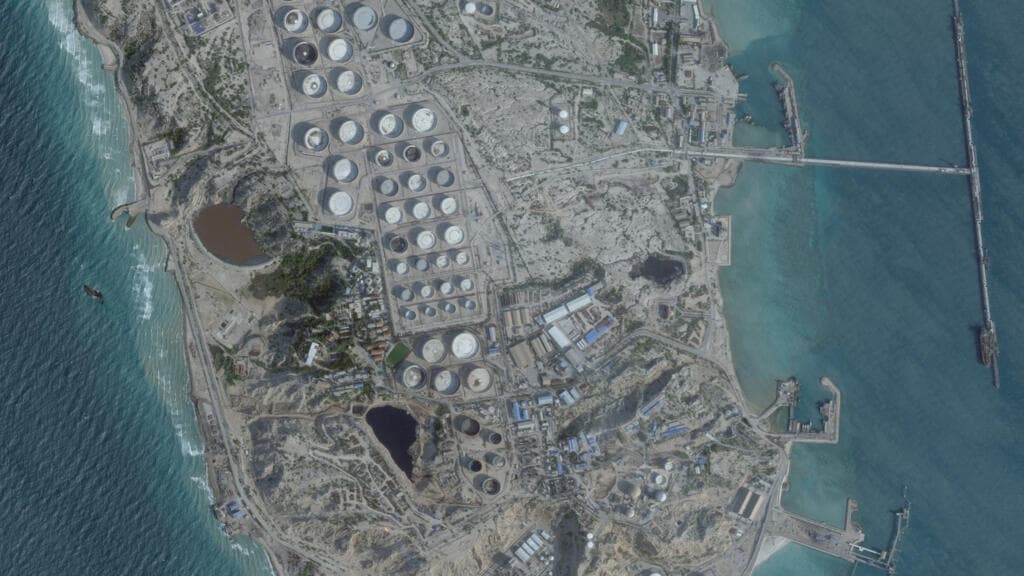
Middle East war live: Iran threatens retaliation as Trump says US 'obliterated' targets on Kharg island
14 Mart 2026NewsAI Mobil Uygulamaları
Her yerde okuyun. iOS ve Android için ödüllü uygulamalarımızı indirin.