
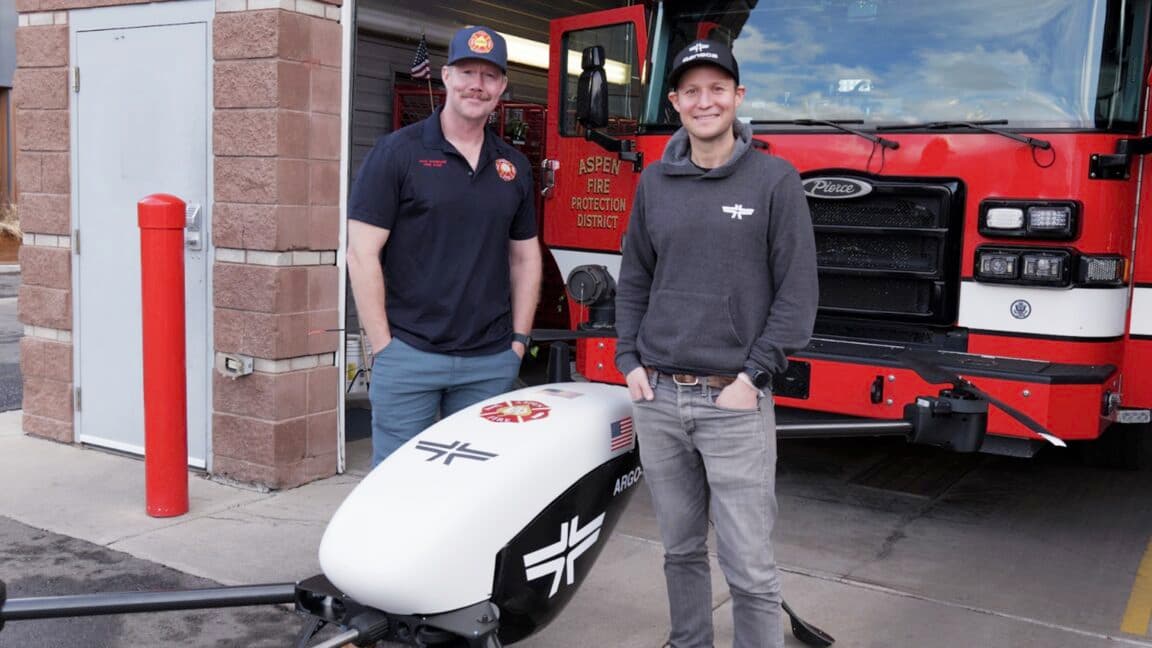
Firefighting drones head to Aspen—can they suppress a blaze before humans arrive?
🤖AI Özeti
Seneca's innovative firefighting drones are designed to carry foam and operate at night, providing a new tool in the battle against wildfires. These drones can function autonomously without the need for an on-site pilot, potentially allowing them to reach and suppress blazes before human firefighters arrive. This technology could revolutionize how we respond to wildfires, especially in hard-to-reach areas.
💡AI Analizi
📚Bağlam ve Tarihsel Perspektif
As wildfires become increasingly common and severe due to climate change, innovative solutions like Seneca's drones are critical in enhancing firefighting capabilities. The ability to deploy drones quickly could be a game-changer in preventing small fires from escalating into larger disasters.
This article reflects the current capabilities of Seneca's drones and their potential impact on firefighting efforts.
Orijinal Kaynak
Tam teknik rapor ve canlı veriler için yayıncının web sitesini ziyaret edin.
Kaynağı Görüntüleİlgili Haberler
Tümünü Gör

NewsAI Mobil Uygulamaları
Her yerde okuyun. iOS ve Android için ödüllü uygulamalarımızı indirin.