

Fuel rations and no air con: south-east Asian nations race to conserve energy
🤖AI Özeti
Governments in Southeast Asia are implementing measures to conserve energy and protect the public from rising costs due to the ongoing conflict in the Middle East. In Thailand, news anchors have adapted their attire to promote energy savings, while the Philippines has shifted many government workers to a four-day workweek. Vietnam is encouraging remote work to further reduce energy consumption. These actions come as the International Energy Agency warns of unprecedented supply disruptions in the global oil market.
💡AI Analizi
📚Bağlam ve Tarihsel Perspektif
The current energy crisis is rooted in geopolitical tensions in the Middle East, which have led to significant disruptions in oil supply. Southeast Asian nations, many of which depend on imported oil, are particularly vulnerable to price fluctuations and supply shortages. The International Energy Agency's characterization of this disruption as the largest in history underscores the gravity of the situation and the necessity for immediate action.
This article reflects the current situation as of the date of publication and may be subject to change as new developments occur.
Orijinal Kaynak
Tam teknik rapor ve canlı veriler için yayıncının web sitesini ziyaret edin.
Kaynağı Görüntüleİlgili Haberler
Tümünü Gör
Israel says it has killed Iran’s intelligence minister in third assassination in two days
18 Mart 2026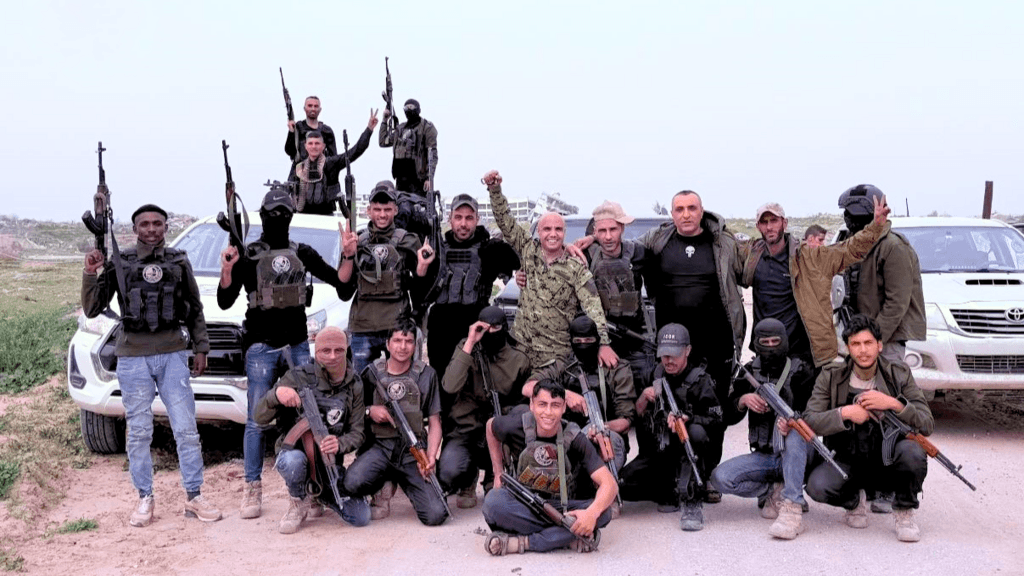
To return to Gaza, Palestinian refugees first have to face Israeli-backed militias
18 Mart 2026
Senegal FA chief says 'fight far from over' after Afcon win overturned
18 Mart 2026NewsAI Mobil Uygulamaları
Her yerde okuyun. iOS ve Android için ödüllü uygulamalarımızı indirin.