
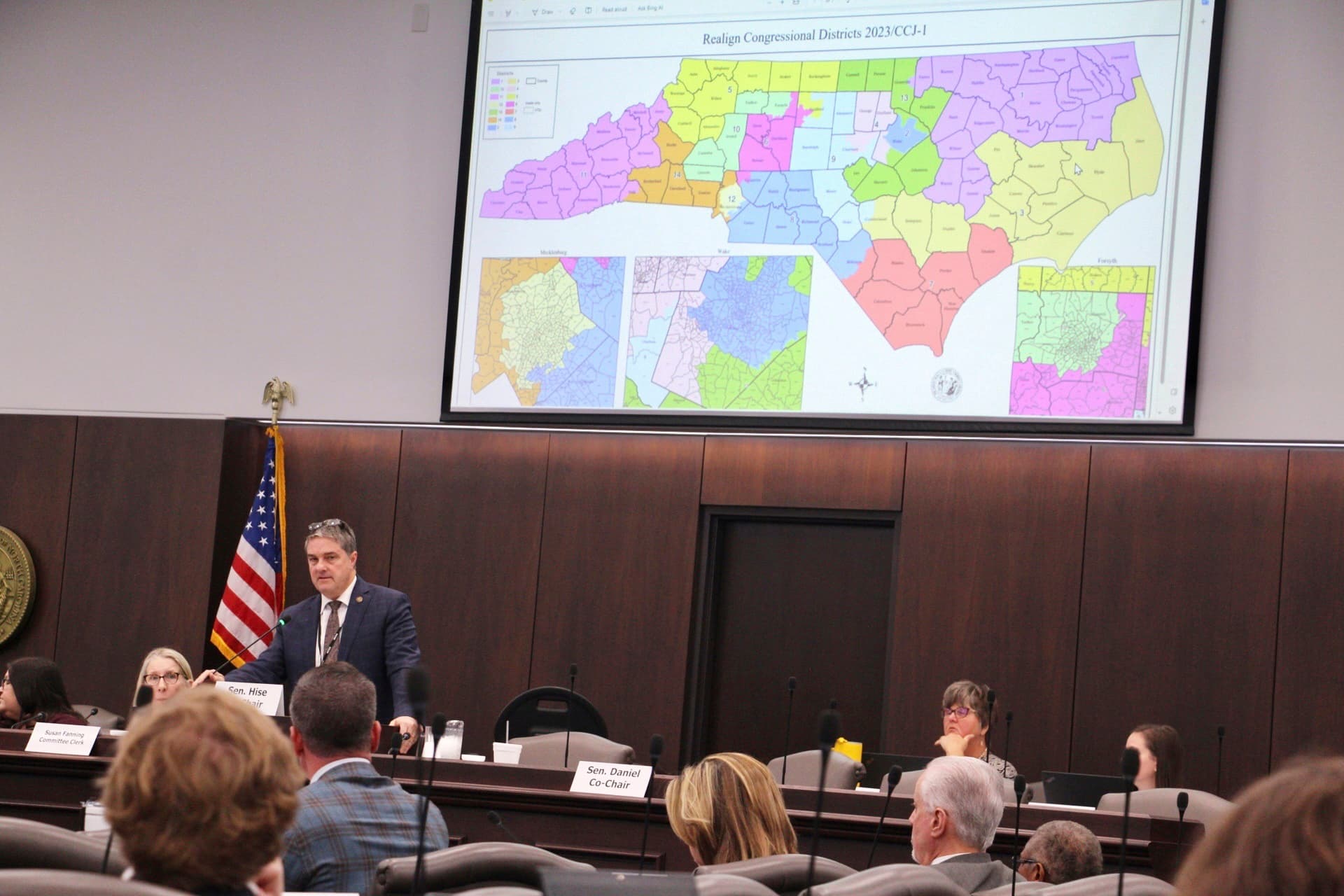
Gerrymandering Reduces Competitive House Seats Over the Past Year
🤖AI Özeti
The recent redistricting efforts across various states have significantly reduced the number of competitive House seats. This year of gerrymandering has resulted in fewer districts that are likely to change party control in upcoming elections. As a consequence, the political landscape is becoming increasingly polarized, with fewer opportunities for electoral competition.
💡AI Analizi
📚Bağlam ve Tarihsel Perspektif
Gerrymandering, the practice of drawing electoral district boundaries to benefit a particular political party, has long been a contentious issue in American politics. The latest round of redistricting, influenced by the 2020 Census, has seen various states take advantage of this practice, further entrenching partisan divides.
This summary is based on information from Politico and may not reflect all perspectives on the issue.
Orijinal Kaynak
Tam teknik rapor ve canlı veriler için yayıncının web sitesini ziyaret edin.
Kaynağı Görüntüleİlgili Haberler
Tümünü Gör

NewsAI Mobil Uygulamaları
Her yerde okuyun. iOS ve Android için ödüllü uygulamalarımızı indirin.