
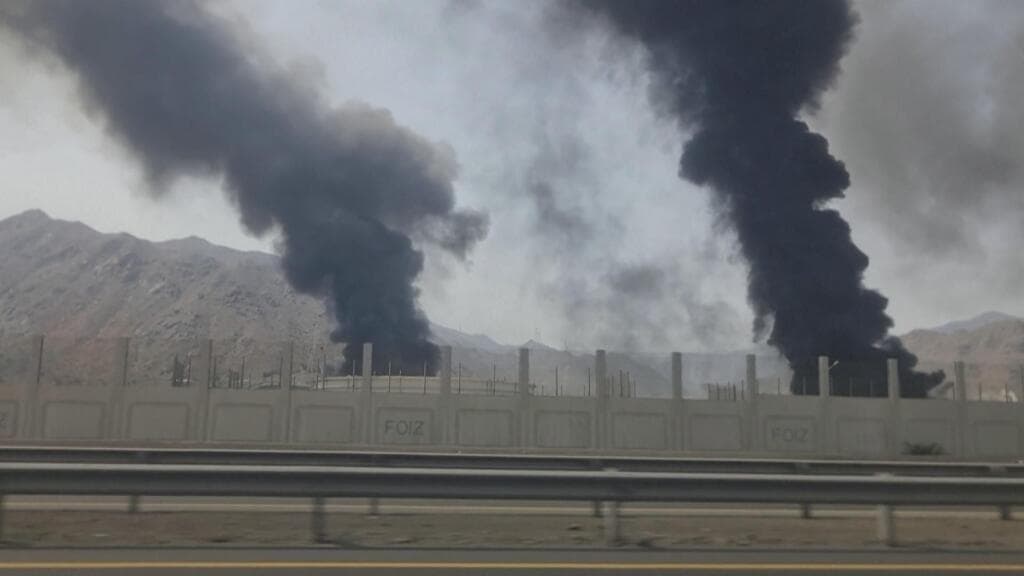
Gulf states seek to bypass Strait of Hormuz for oil exports via pipelines
🤖AI Özeti
Gulf states are increasingly looking to bypass the Strait of Hormuz for oil exports due to heightened tensions following drone attacks by Iran on the UAE port of Fujairah. This shift to pipeline transport aims to secure oil flow amid geopolitical uncertainties. Additionally, central banks are grappling with the implications of rising oil prices, which could reignite inflation while potentially hindering global economic growth.
💡AI Analizi
📚Bağlam ve Tarihsel Perspektif
The Strait of Hormuz is a vital chokepoint for oil shipments, with a significant percentage of the world's oil passing through this narrow passage. Recent Iranian military actions have heightened fears among Gulf states, prompting them to seek alternative routes to ensure the stability of their oil exports. This development comes at a time when global economies are already facing challenges from fluctuating energy prices.
This article reflects the views and opinions of the source and does not necessarily represent the views of the newsroom.
Orijinal Kaynak
Tam teknik rapor ve canlı veriler için yayıncının web sitesini ziyaret edin.
Kaynağı Görüntüleİlgili Haberler
Tümünü Gör

NewsAI Mobil Uygulamaları
Her yerde okuyun. iOS ve Android için ödüllü uygulamalarımızı indirin.