
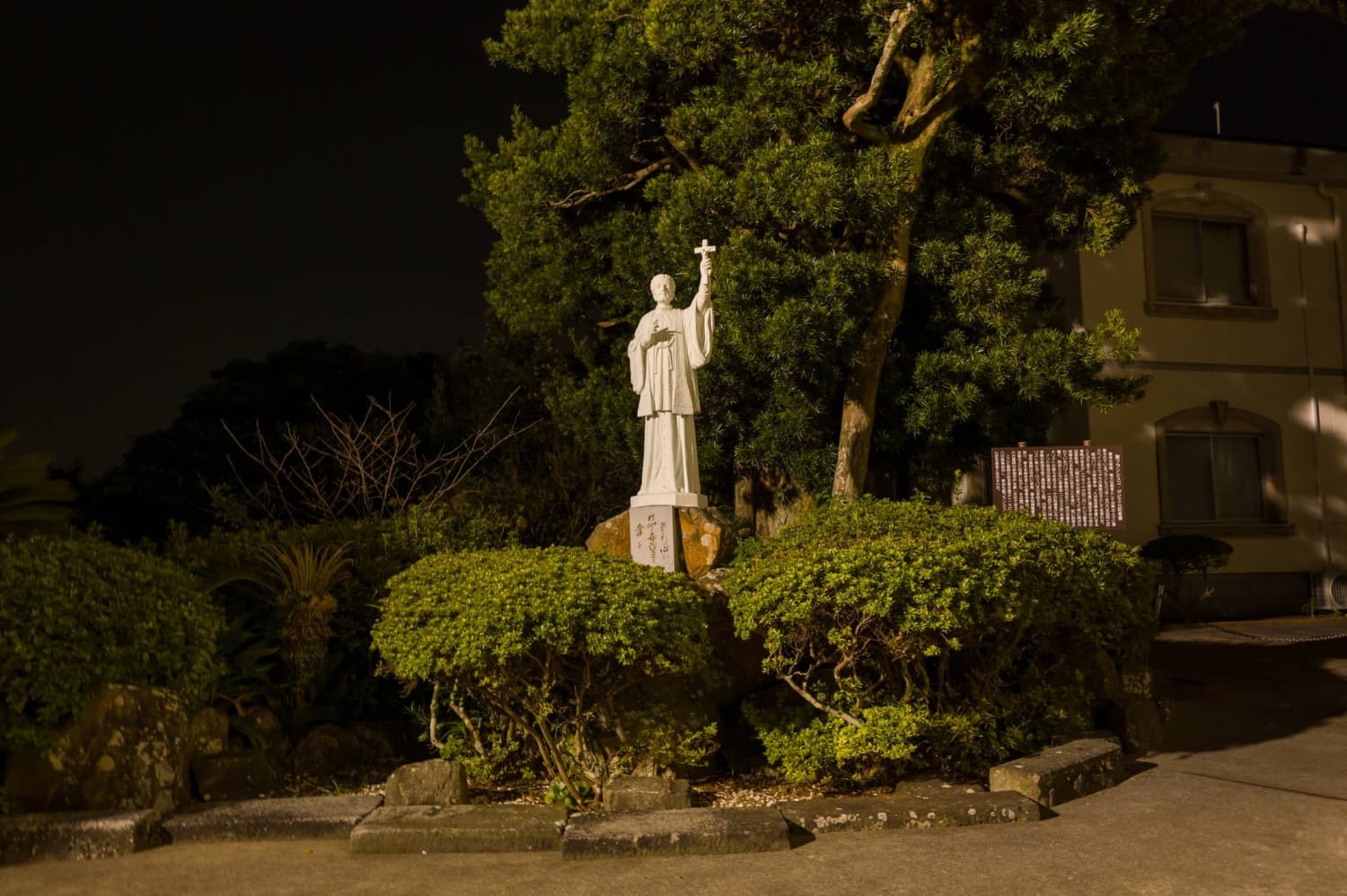
How Tokugawa Japan learned to fear faith
🤖AI Özeti
The Shimabara Rebellion serves as a critical example of the intersection of faith, fear, and power in Tokugawa Japan. This uprising, marked by acts of martyrdom and massacre, highlights the complex relationship between religious belief and political authority during this period. The events surrounding the rebellion have left a lasting imprint on historical memory, shaping perceptions of faith in Japan.
💡AI Analizi
📚Bağlam ve Tarihsel Perspektif
During the Tokugawa shogunate, Japan experienced significant social and political changes, including the enforcement of strict social hierarchies and the suppression of Christianity. The Shimabara Rebellion, which erupted in 1637, was a response to these oppressive measures, particularly against the backdrop of religious persecution. Understanding this rebellion provides insight into the broader dynamics of power and belief in early modern Japan.
The views expressed in this article are those of the author and do not necessarily reflect the opinions of the Japan Times.
Orijinal Kaynak
Tam teknik rapor ve canlı veriler için yayıncının web sitesini ziyaret edin.
Kaynağı Görüntüleİlgili Haberler
Tümünü Gör


NewsAI Mobil Uygulamaları
Her yerde okuyun. iOS ve Android için ödüllü uygulamalarımızı indirin.