
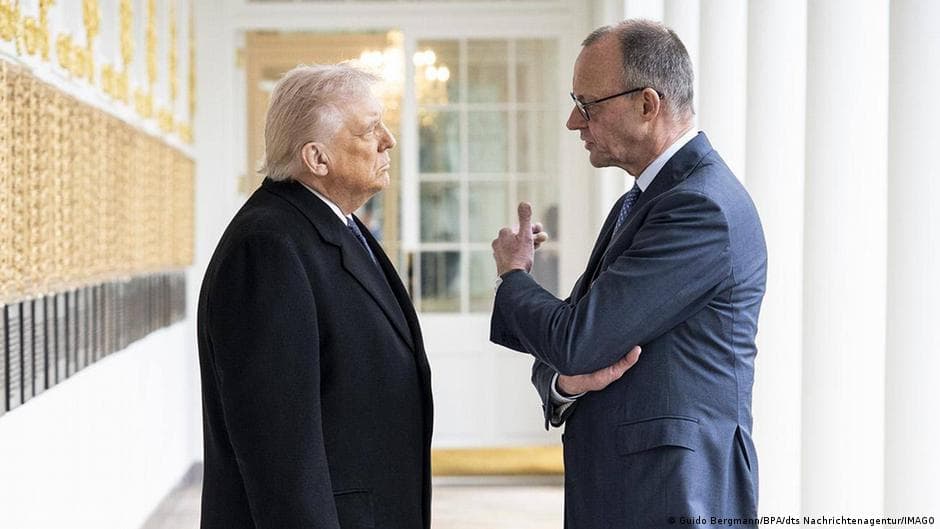
Iran, Germany and the end of the rules-based order
🤖AI Özeti
Chancellor Friedrich Merz's recent stance suggests a shift in Germany's approach to international law, particularly following the US and Israel's military actions against Iran. The traditional German emphasis on a rules-based order appears to be waning, raising questions about the implications for Berlin's foreign policy. This change may reflect a broader reassessment of priorities in the face of geopolitical challenges.
💡AI Analizi
📚Bağlam ve Tarihsel Perspektif
Germany has long positioned itself as a proponent of a rules-based international order, advocating for adherence to international law. However, recent events, particularly the military actions involving the US and Israel, may have prompted a reevaluation of this stance. The implications of such a shift could reverberate throughout Europe and beyond, as countries navigate complex geopolitical landscapes.
This article reflects the author's opinions and does not necessarily represent the views of DW.
Orijinal Kaynak
Tam teknik rapor ve canlı veriler için yayıncının web sitesini ziyaret edin.
Kaynağı Görüntüleİlgili Haberler
Tümünü Gör


NewsAI Mobil Uygulamaları
Her yerde okuyun. iOS ve Android için ödüllü uygulamalarımızı indirin.