
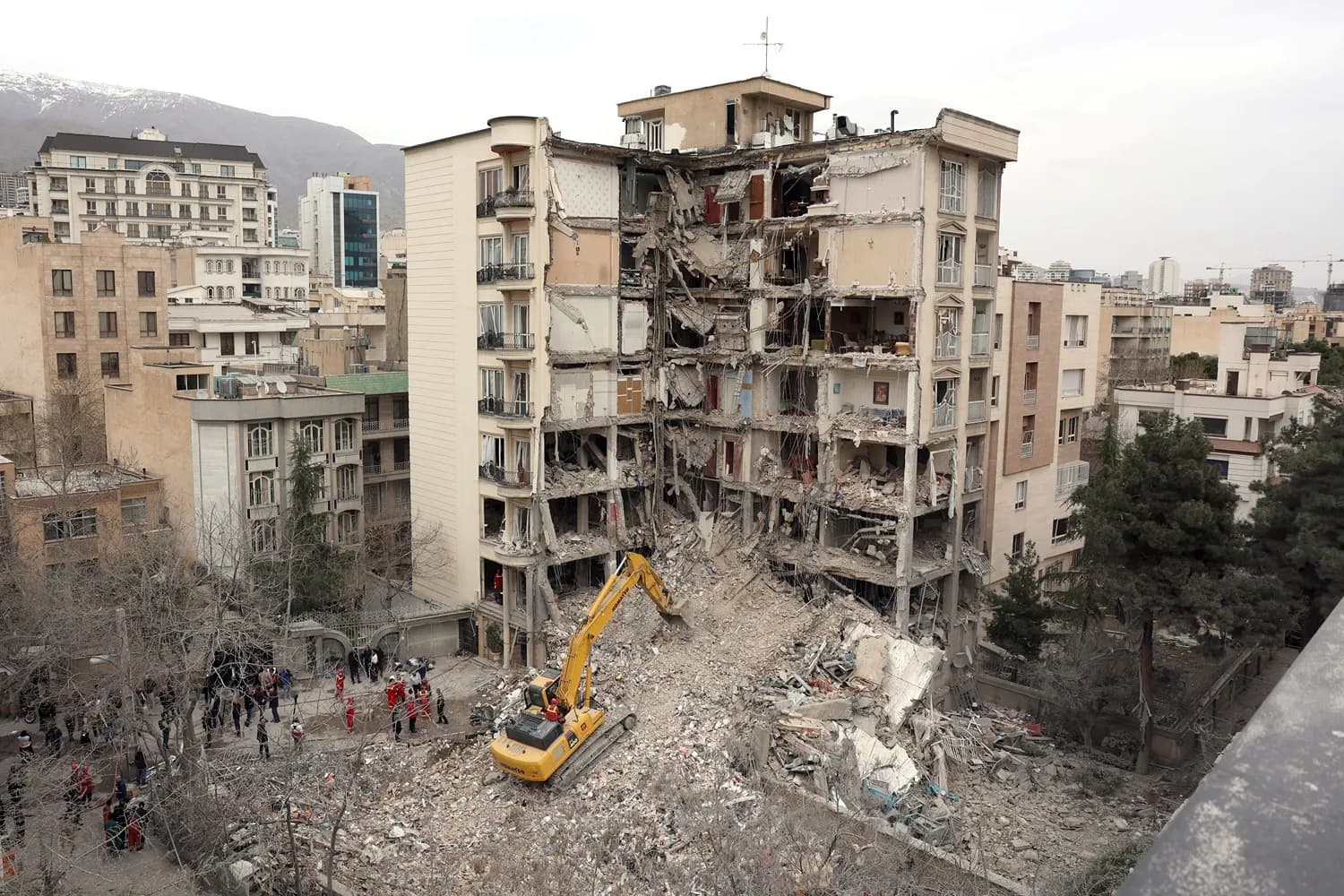
Iran Rejects Trump’s 15-Point Peace Plan
🤖AI Özeti
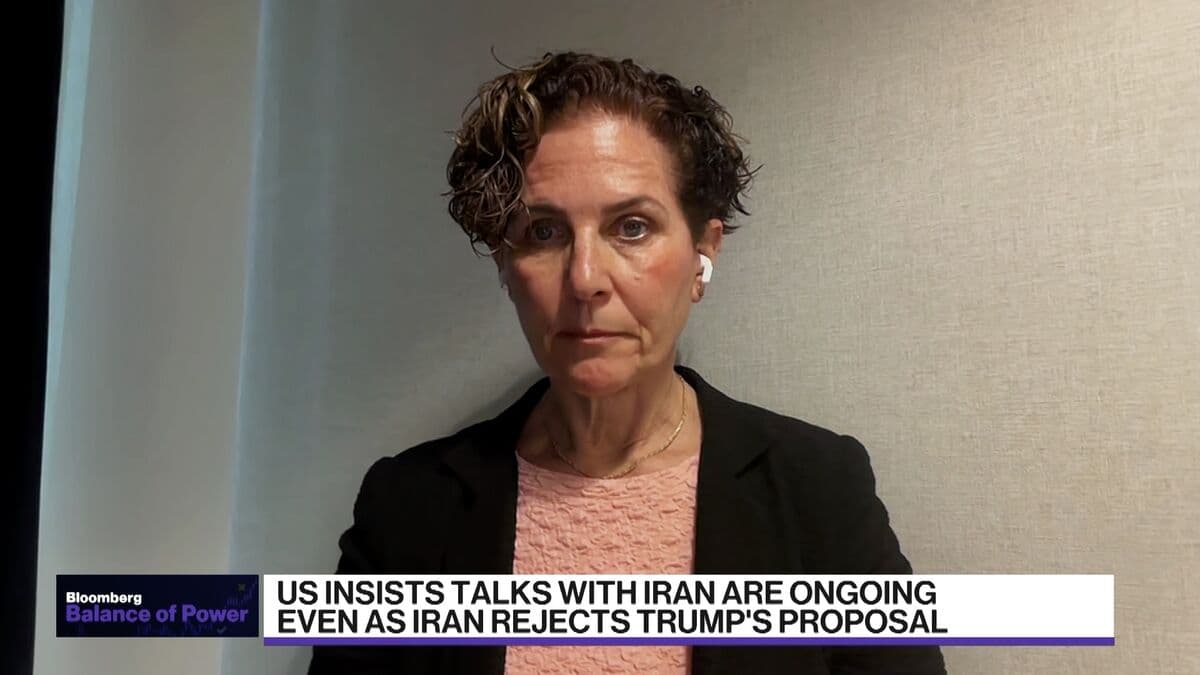
Iran has formally rejected former President Trump's 15-point peace plan, proposing an alternative that demands war reparations and asserts Iranian control over the strategically vital Strait of Hormuz. This counterproposal highlights Iran's stance on regional sovereignty and its unwillingness to concede to external demands. The situation underscores the ongoing tensions between Iran and the U.S., as well as the complexities of negotiating peace in the region.
💡AI Analizi
📚Bağlam ve Tarihsel Perspektif
The Strait of Hormuz is a critical chokepoint for global oil shipments, and Iran's control over it has significant implications for international trade and security. The rejection of the peace plan comes amid ongoing geopolitical struggles, including sanctions and military posturing in the region. The U.S. has been attempting to negotiate a framework for peace, but Iran's counterproposal indicates a fundamental disagreement on key issues.
This article reflects the views and opinions of the author and does not necessarily represent the views of Foreign Policy.
Orijinal Kaynak
Tam teknik rapor ve canlı veriler için yayıncının web sitesini ziyaret edin.
Kaynağı Görüntüleİlgili Haberler
Tümünü Gör

NewsAI Mobil Uygulamaları
Her yerde okuyun. iOS ve Android için ödüllü uygulamalarımızı indirin.