
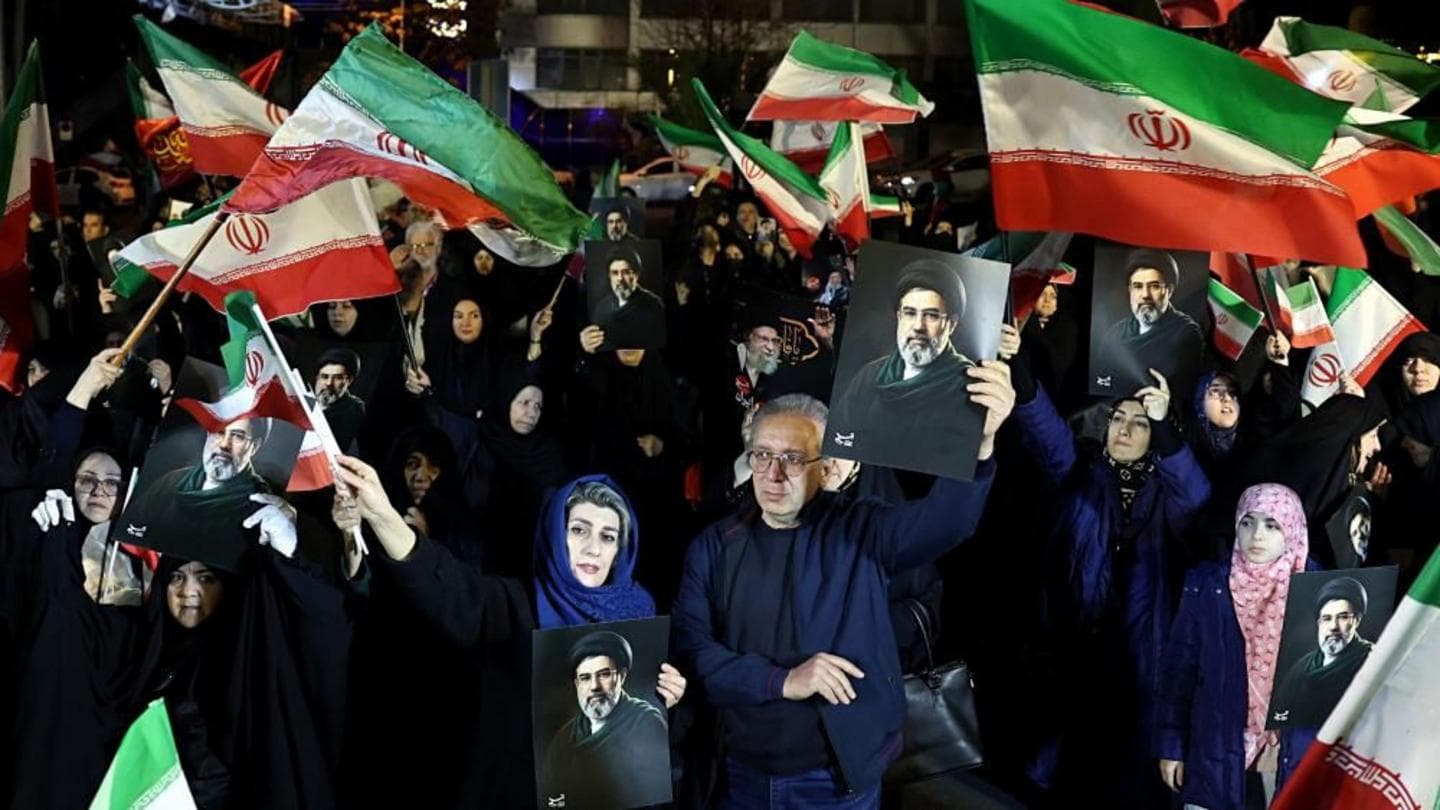
Iran's rejection of US talks reflects deep mistrust
🤖AI Özeti
Iran's recent rejection of talks with the United States highlights a significant level of mistrust between the two nations. However, this stance may not indicate a complete closure to diplomacy; rather, it could be a strategic move to set specific conditions for future negotiations. The complexities of the relationship suggest that while tensions are high, the possibility for dialogue remains.
💡AI Analizi
📚Bağlam ve Tarihsel Perspektif
The backdrop of this situation includes ongoing tensions over Iran's nuclear program and regional influence, which have historically strained US-Iran relations. The geopolitical landscape is further complicated by the involvement of other nations and the impact of sanctions, making any potential dialogue a delicate balancing act.
This article is based on current events and opinions may vary. The situation is subject to change as new developments arise.
Orijinal Kaynak
Tam teknik rapor ve canlı veriler için yayıncının web sitesini ziyaret edin.
Kaynağı Görüntüleİlgili Haberler
Tümünü Gör


NewsAI Mobil Uygulamaları
Her yerde okuyun. iOS ve Android için ödüllü uygulamalarımızı indirin.