
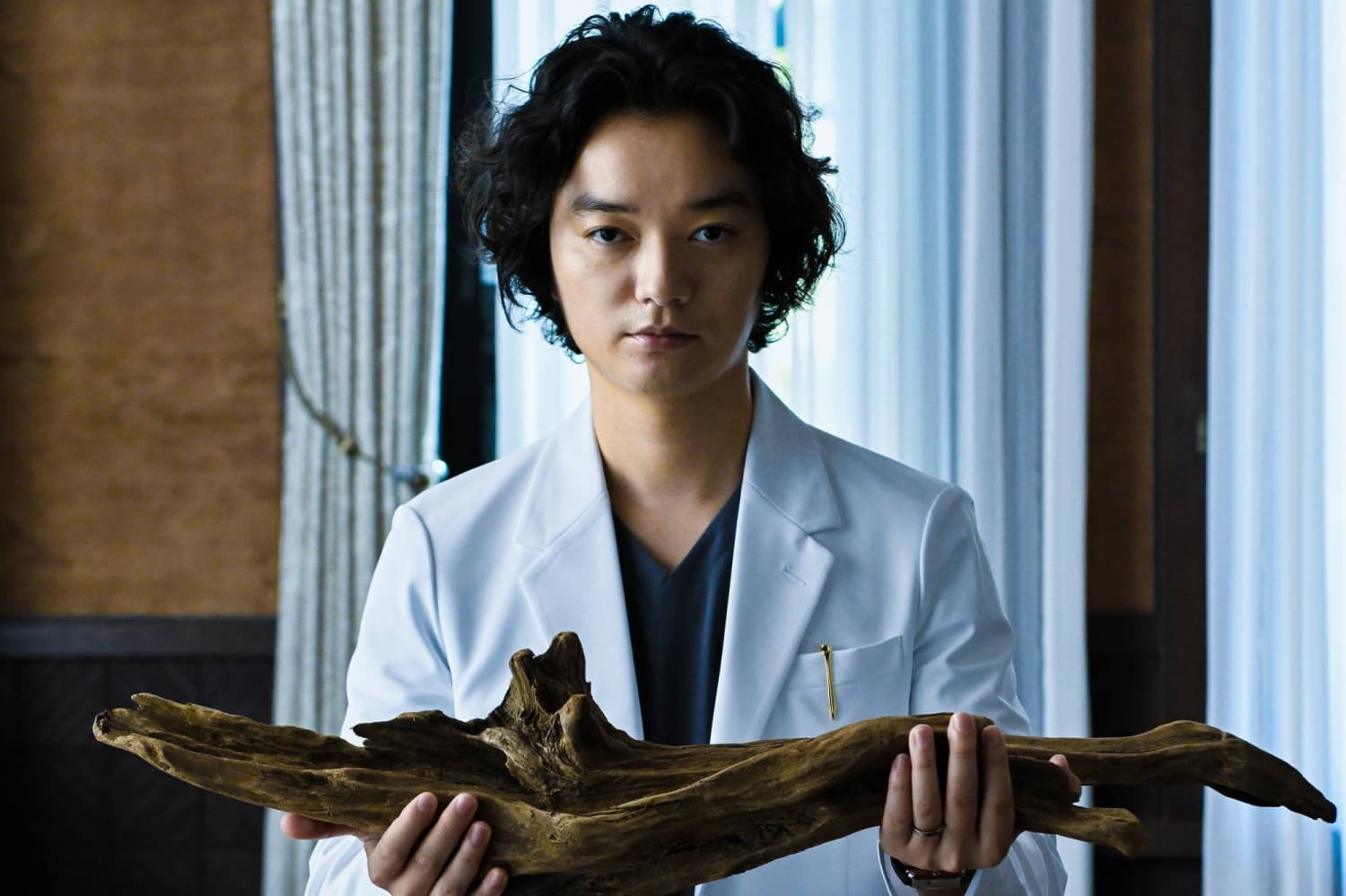
Japan's Concerns Over Aging Reflected in Koki Yoshida's 'The A-Care: Disusebody'
🤖AI Özeti
Koki Yoshida's drama 'The A-Care: Disusebody' presents a chilling exploration of eldercare through the lens of amputation. This unsettling premise is rendered all the more impactful by its quiet plausibility, reflecting deeper societal anxieties regarding aging in Japan. The film challenges viewers to confront uncomfortable truths about the treatment of the elderly and the lengths to which society might go in the face of demographic shifts.
💡AI Analizi
📚Bağlam ve Tarihsel Perspektif
Japan is facing significant demographic challenges, with a rapidly aging population and declining birth rates. This reality has prompted discussions about eldercare solutions, making Yoshida's film particularly relevant. The provocative nature of the film invites reflection on how society prioritizes the well-being of its elderly citizens.
This article reflects the views and interpretations of the author and does not necessarily represent the opinions of the Japan Times.
Orijinal Kaynak
Tam teknik rapor ve canlı veriler için yayıncının web sitesini ziyaret edin.
Kaynağı Görüntüleİlgili Haberler
Tümünü Gör
Xi Jinping Praises Outcomes of Summit Following Trump's Departure from China
15 Mayıs 2026
India Raises Petrol and Diesel Prices Amid Economic Challenges from Iran Conflict
15 Mayıs 2026
At least 24 people, including three children, killed in recent Russian attacks on Kyiv
15 Mayıs 2026NewsAI Mobil Uygulamaları
Her yerde okuyun. iOS ve Android için ödüllü uygulamalarımızı indirin.