
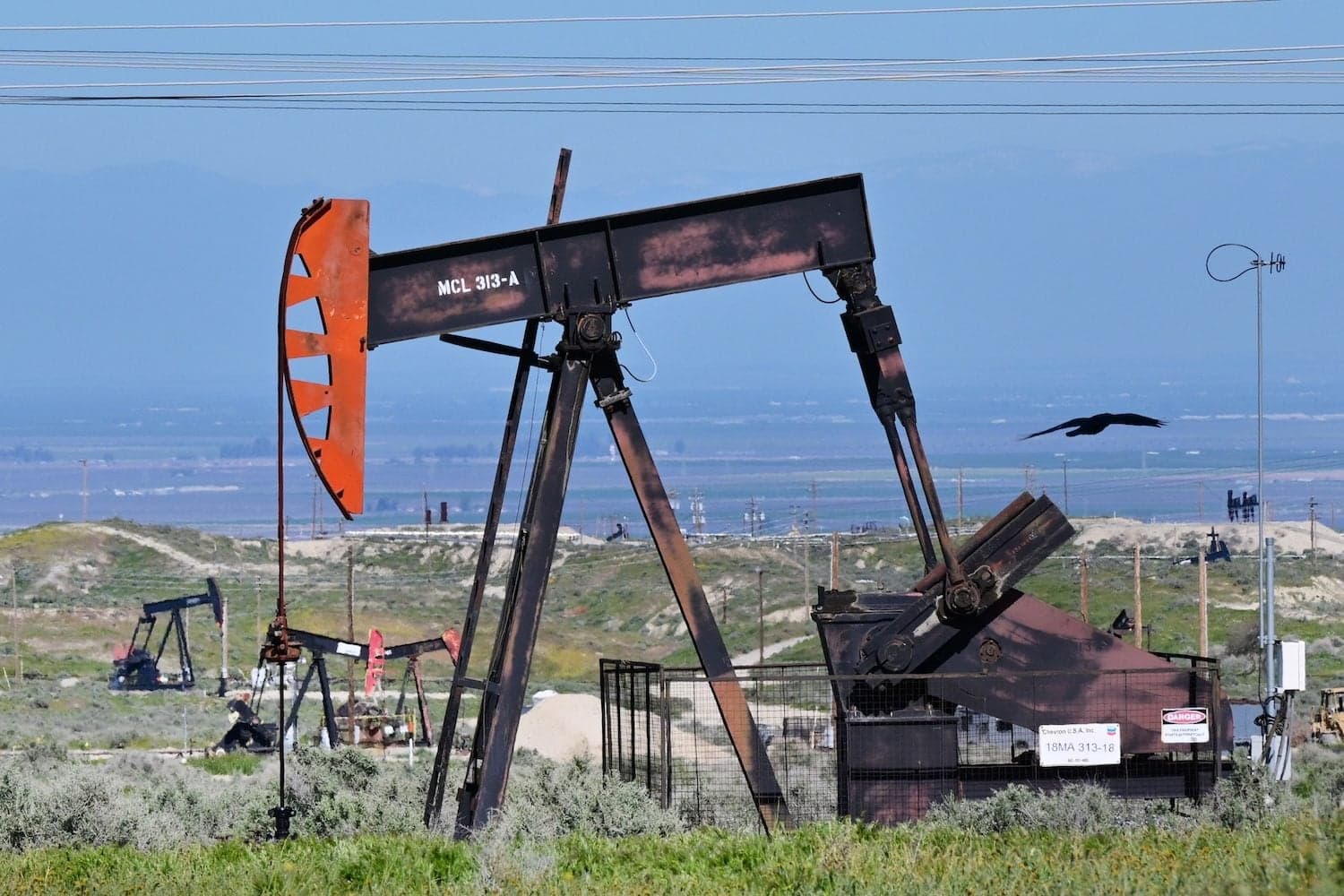
Making the U.S. More Resilient to Oil Price Shocks
🤖AI Özeti
The article discusses the current status of the U.S. as a net oil exporter and explores potential policy changes that could enhance resilience against oil price shocks. It emphasizes the importance of strategic measures to protect consumers from the volatility of oil prices. By implementing effective policies, the U.S. can mitigate the impact of global oil market fluctuations.
💡AI Analizi
📚Bağlam ve Tarihsel Perspektif
Historically, the U.S. has been vulnerable to oil price shocks due to its dependence on foreign oil. The recent shift to becoming a net exporter marks a significant change in this dynamic, allowing for greater control over domestic energy prices. This context highlights the urgency for policymakers to act decisively in order to capitalize on this new status.
This article reflects the author's opinions and analysis and does not necessarily represent the views of Foreign Policy.
Orijinal Kaynak
Tam teknik rapor ve canlı veriler için yayıncının web sitesini ziyaret edin.
Kaynağı Görüntüleİlgili Haberler
Tümünü Gör


NewsAI Mobil Uygulamaları
Her yerde okuyun. iOS ve Android için ödüllü uygulamalarımızı indirin.