
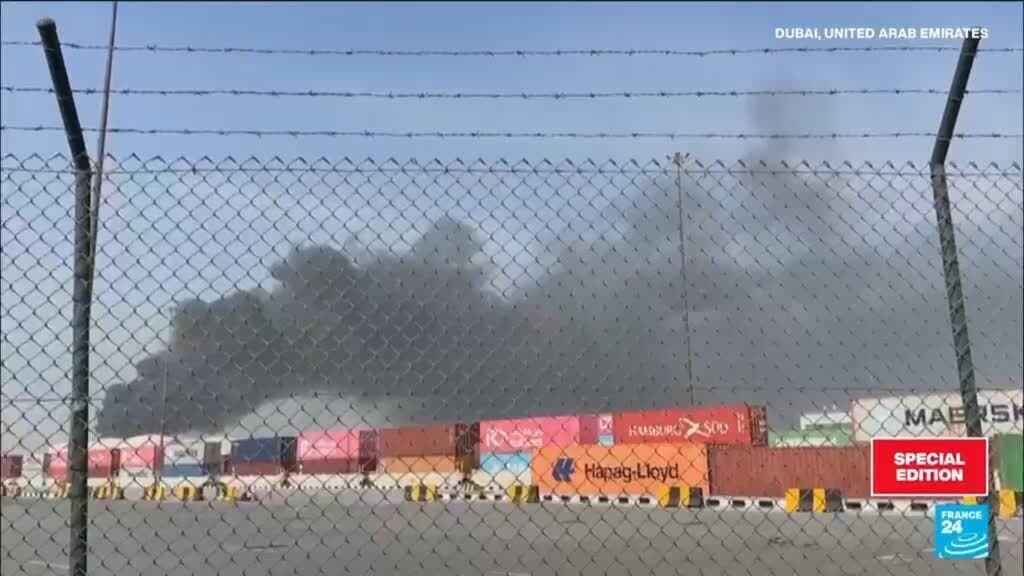
Middle East conflict threatens food security in Gulf countries
🤖AI Özeti
The Strait of Hormuz, located between Oman and Iran, is a vital shipping route for global trade, with over 30,000 vessels navigating it annually. The ongoing conflict in the Middle East has raised alarms about potential disruptions to oil and gas exports. However, the situation is equally dire for food security in Gulf countries like Kuwait, Bahrain, and Qatar, which are increasingly facing challenges as they become landlocked due to the conflict's impact on shipping routes.
💡AI Analizi
📚Bağlam ve Tarihsel Perspektif
The Strait of Hormuz is a critical chokepoint for global oil and gas supplies, making it a focal point in international trade. The current conflict in the region has the potential to disrupt not only energy exports but also essential food supplies, which are vital for the populations of Gulf states. The implications of such disruptions could lead to broader economic instability and humanitarian crises.
This article reflects the situation as of the publication date and may not account for subsequent developments.
Orijinal Kaynak
Tam teknik rapor ve canlı veriler için yayıncının web sitesini ziyaret edin.
Kaynağı Görüntüleİlgili Haberler
Tümünü Gör


NewsAI Mobil Uygulamaları
Her yerde okuyun. iOS ve Android için ödüllü uygulamalarımızı indirin.