
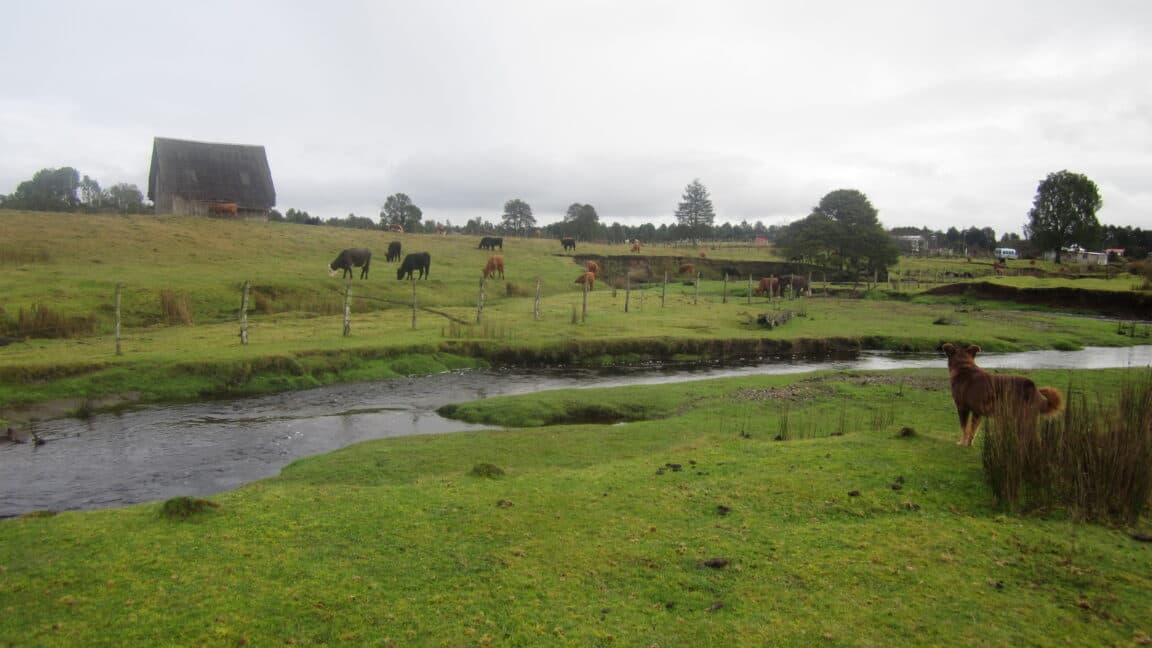
Monte Verde site gets a new date, but the big picture doesn't change
🤖AI Özeti
Recent findings at the Monte Verde site have provided new dating evidence, challenging the long-held 'Clovis First' theory of human migration in the Americas. This new date reinforces the idea that humans were present in South America much earlier than previously thought. The ongoing debate highlights the complexity of early human history in the continent and the need for more research.
💡AI Analizi
📚Bağlam ve Tarihsel Perspektif
The Monte Verde site in Chile has been a focal point in the debate over the timing of human arrival in the Americas. The 'Clovis First' theory posited that the Clovis culture was the first to inhabit North America, but recent discoveries suggest that humans may have arrived thousands of years earlier.
The information presented is based on current archaeological findings and interpretations, which may evolve with ongoing research.
Orijinal Kaynak
Tam teknik rapor ve canlı veriler için yayıncının web sitesini ziyaret edin.
Kaynağı Görüntüleİlgili Haberler
Tümünü Gör


NewsAI Mobil Uygulamaları
Her yerde okuyun. iOS ve Android için ödüllü uygulamalarımızı indirin.