
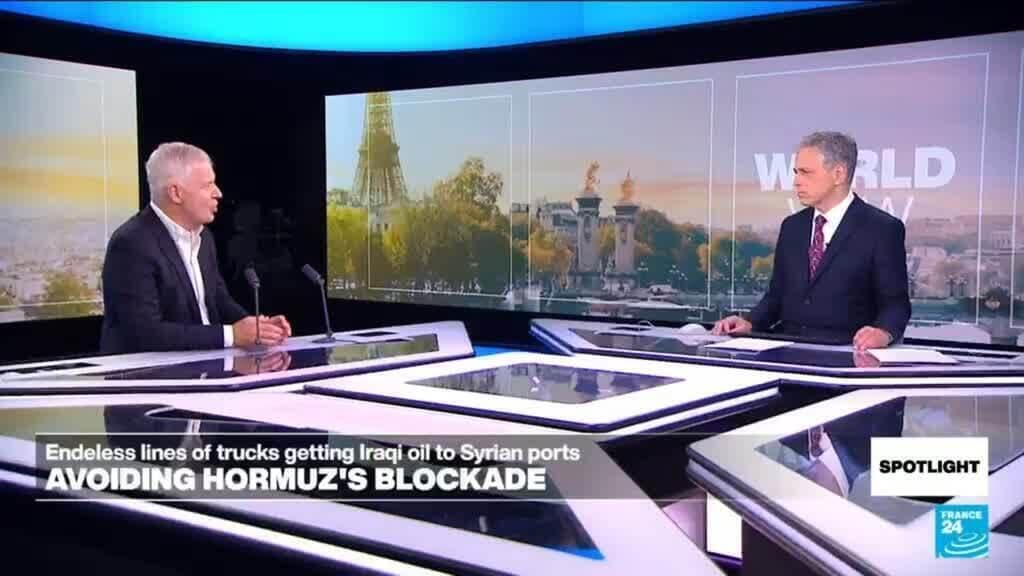
Opening Hormuz 'not a humanitarian gesture': Essential to keeping global food system operating
🤖AI Özeti
In a recent discussion, John Denton, Secretary General of the International Chamber of Commerce, emphasized that the Strait of Hormuz is crucial for more than just oil and gas, highlighting an impending global food security crisis. He pointed out that the deterioration in access to fertilizers poses a significant risk to food systems worldwide. Denton also noted the surprising role of Syria in global trade, indicating a shift in geopolitical dynamics. This situation underscores the urgent need to maintain operational food systems, as the implications extend beyond humanitarian concerns to fundamental economic stability.
💡AI Analizi
📚Bağlam ve Tarihsel Perspektif
The Strait of Hormuz is a vital maritime corridor for global oil transport, but its significance extends to agricultural inputs like fertilizers, which are essential for food production. As geopolitical tensions rise and economic conditions fluctuate, the stability of food systems becomes increasingly precarious. Denton's insights reflect a broader concern among experts about the interconnectedness of global trade and food security, particularly in light of recent conflicts and trade disruptions.
The views expressed in this article are those of the author and do not necessarily reflect the official policy or position of France 24.
Orijinal Kaynak
Tam teknik rapor ve canlı veriler için yayıncının web sitesini ziyaret edin.
Kaynağı Görüntüleİlgili Haberler
Tümünü Gör
Two dead, including one Japanese, after lightplane crash in South Australia
1 Mayıs 2026
Taiwan blows past forecasts with economic growth at 39-year high
1 Mayıs 2026
As a schoolboy, I was dazzled by the Festival of Britain in 1951 – but it revealed a divided nation | Michael Billington
1 Mayıs 2026NewsAI Mobil Uygulamaları
Her yerde okuyun. iOS ve Android için ödüllü uygulamalarımızı indirin.