
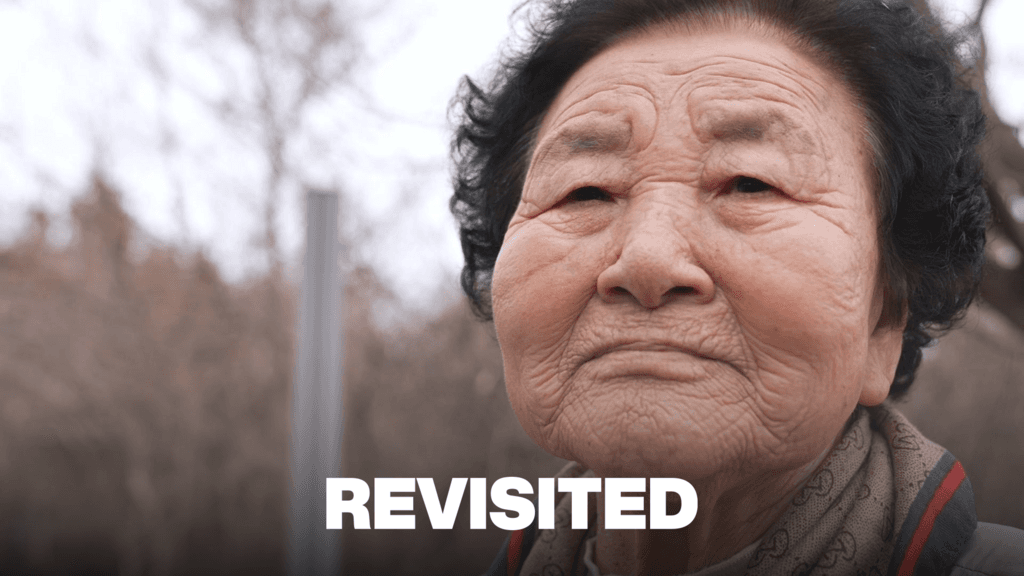
South Korea: The forgotten Jeju uprising and massacre
🤖AI Özeti
The Jeju uprising and subsequent massacre occurred nearly 80 years ago, resulting in the deaths of tens of thousands on Jeju Island, South Korea. Following World War II, the Korean peninsula was divided, leading to increased tensions and a crackdown on dissent. The residents of Jeju, who resisted the division, were labeled as communists by the South Korean government, which intensified the violence against them.
💡AI Analizi
📚Bağlam ve Tarihsel Perspektif
The Jeju uprising occurred in the context of post-World War II geopolitical tensions, with the Korean peninsula split between Soviet and American influences. This division not only shaped the political landscape but also fostered an environment where dissent was met with extreme violence. The legacy of the Jeju massacre remains relevant in discussions about human rights and historical memory in Korea.
This article reflects historical events and interpretations that may vary based on different perspectives.
Orijinal Kaynak
Tam teknik rapor ve canlı veriler için yayıncının web sitesini ziyaret edin.
Kaynağı Görüntüleİlgili Haberler
Tümünü Gör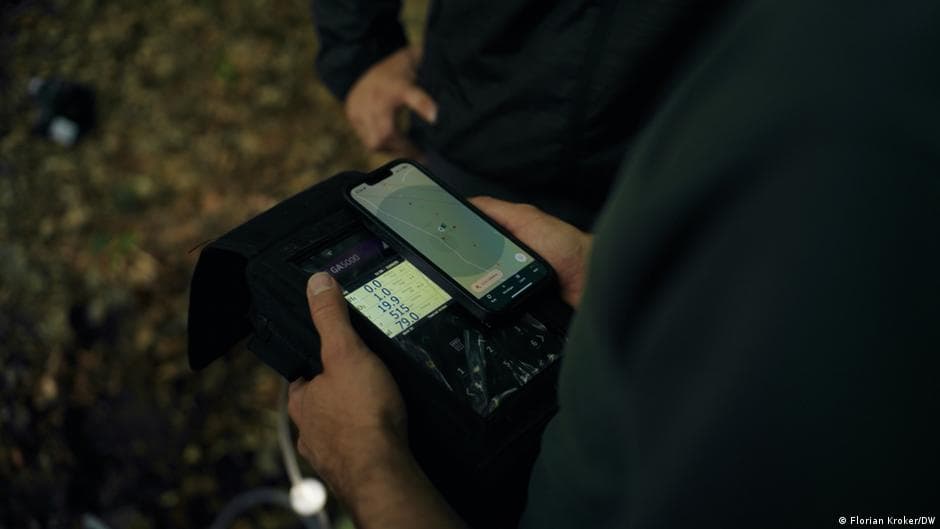
The oil crisis has sparked a global scramble for energy. An untapped, clean and cheap source could be flowing in abundance under our feet
13 Mart 2026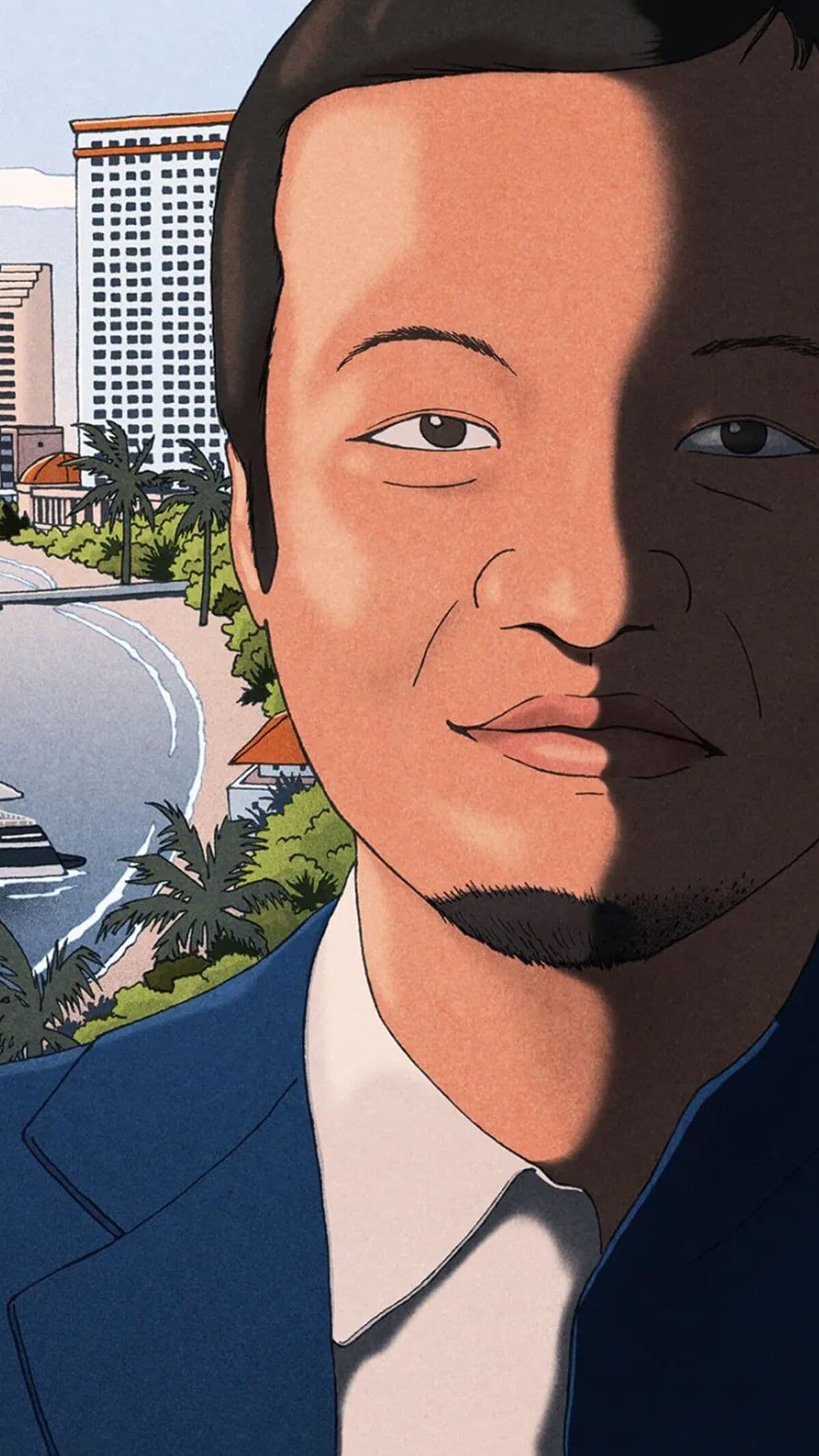
Behind The Dramatic Capture of an Alleged Scam Kingpin
13 Mart 2026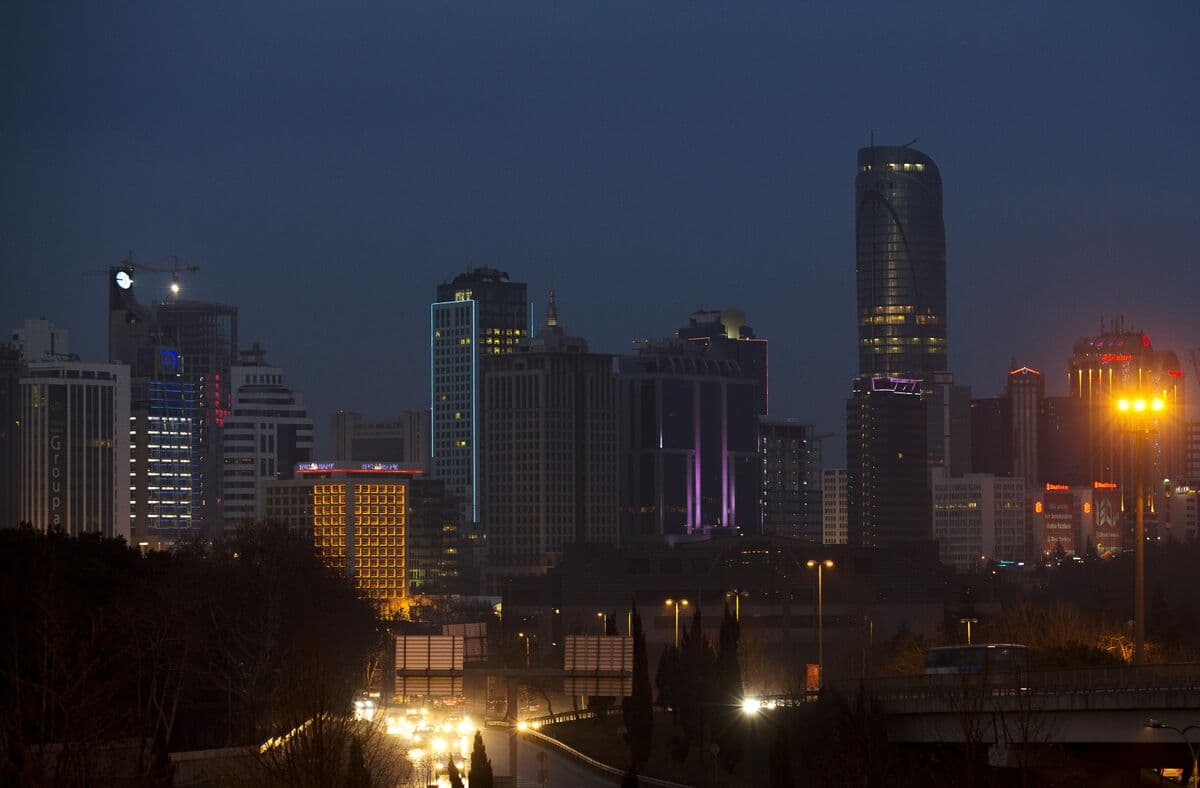
Turkey Moves Toward Nuclear in Bid to Diversify Energy Sources
13 Mart 2026NewsAI Mobil Uygulamaları
Her yerde okuyun. iOS ve Android için ödüllü uygulamalarımızı indirin.