
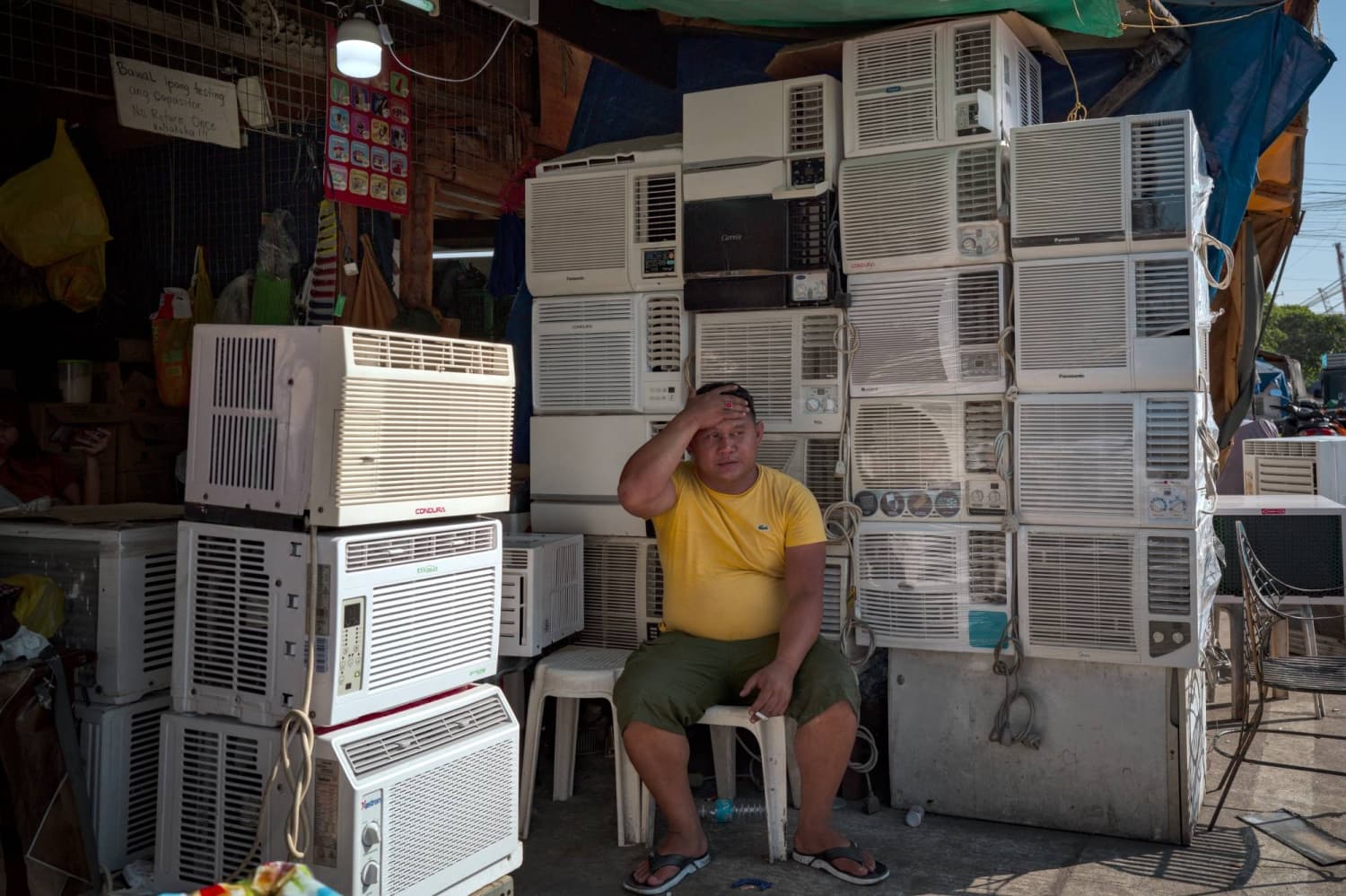
Southeast Asia office workers swelter in energy-saving drive amid heat wave
🤖AI Özeti
Southeast Asia is currently experiencing a significant heat wave, exacerbated by energy-saving measures that have left office workers sweltering. The ongoing shutdown of the Strait of Hormuz is contributing to dwindling energy reserves, making it difficult for countries in the region to cope with the extreme temperatures. As a result, many are left to endure uncomfortable working conditions with little relief in sight.
💡AI Analizi
📚Bağlam ve Tarihsel Perspektif
The Strait of Hormuz is a vital maritime corridor for global oil shipments, and its prolonged shutdown has significant implications for energy supplies. The heat wave affecting Southeast Asia is not an isolated incident but part of a broader trend of rising temperatures linked to climate change. Countries in the region are grappling with the dual pressures of energy conservation and public health during extreme weather events.
This article reflects the current situation as of October 2023 and may be subject to change as new developments occur.
Orijinal Kaynak
Tam teknik rapor ve canlı veriler için yayıncının web sitesini ziyaret edin.
Kaynağı Görüntüleİlgili Haberler
Tümünü Gör


NewsAI Mobil Uygulamaları
Her yerde okuyun. iOS ve Android için ödüllü uygulamalarımızı indirin.