
politics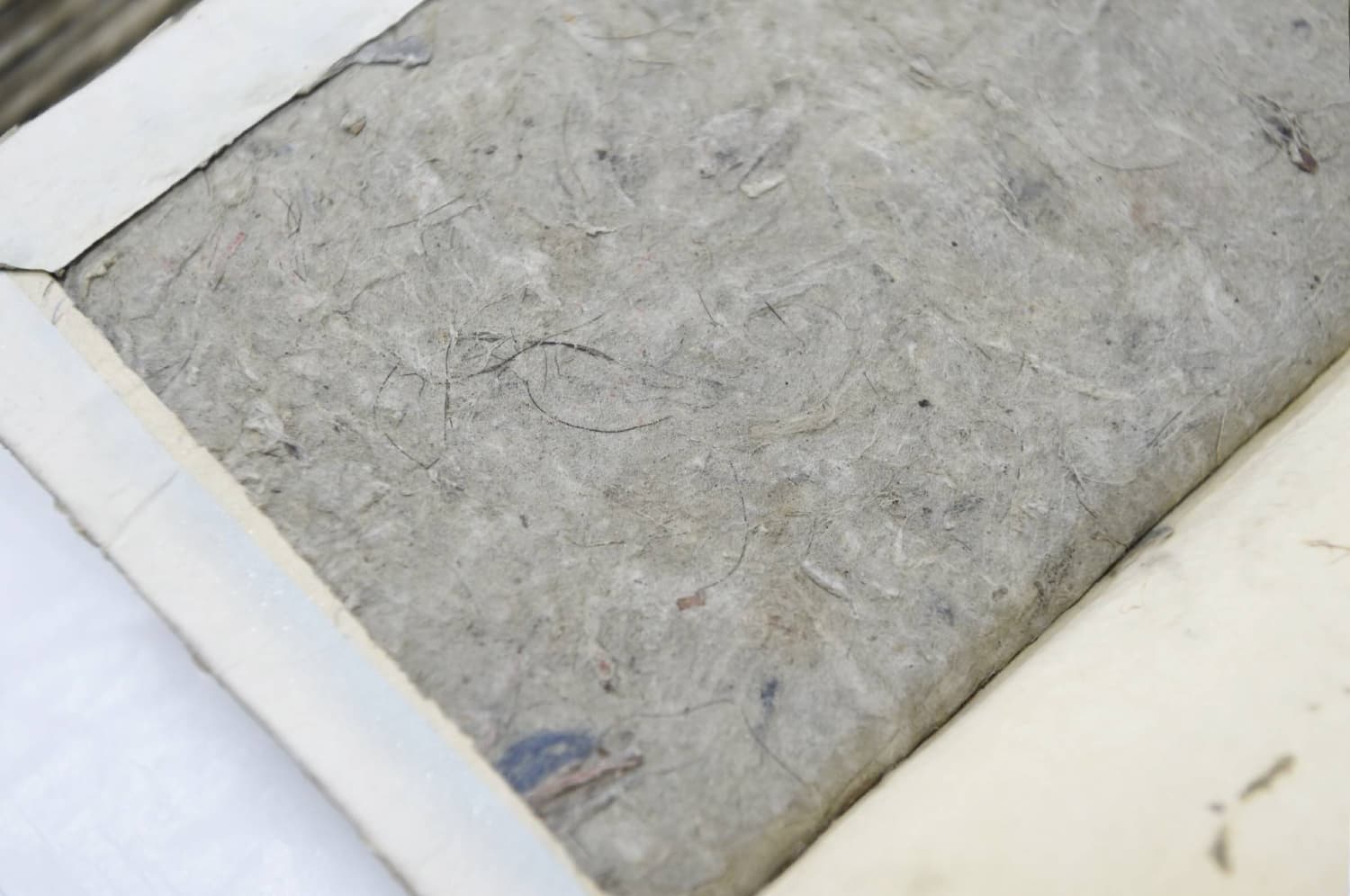
Study Reveals Edo and Meiji Diets Had Higher Mineral Content Than Today's Diets
18 Ağustos 2026Japan Times
- A recent study reveals that diets during the Edo Period and Meiji Era in Japan were richer in essential minerals compared to contemporary diets. The research highlights higher concentrations of chlorine, potassium, calcium, manganese, iron, and copper in historical diets, while zinc levels were found to be lower.
- This suggests a significant shift in dietary mineral intake over the centuries.
- The Edo Period (1603-1868) and Meiji Era (1868-1912) were significant periods in Japanese history, marked by changes in agriculture, trade, and food culture. Understanding the nutritional differences between these historical diets and modern eating habits can provide insights into current health issues and dietary r…
- The findings of this study prompt a reevaluation of modern dietary practices and their implications for health. The higher mineral concentrations in historical diets could indicate a more balanced nutritional profile, which may contribute to better overall health outcomes.
NewsAI özeti
This article is based on research findings and should not be considered as medical advice.
Orijinal Kaynak
Tam teknik rapor ve canlı veriler için yayıncının web sitesini ziyaret edin.
Kaynağı Görüntüleİlgili Haberler
Tümünü Gör

NewsAI Mobil Uygulamaları
Her yerde okuyun. iOS ve Android için ödüllü uygulamalarımızı indirin.