
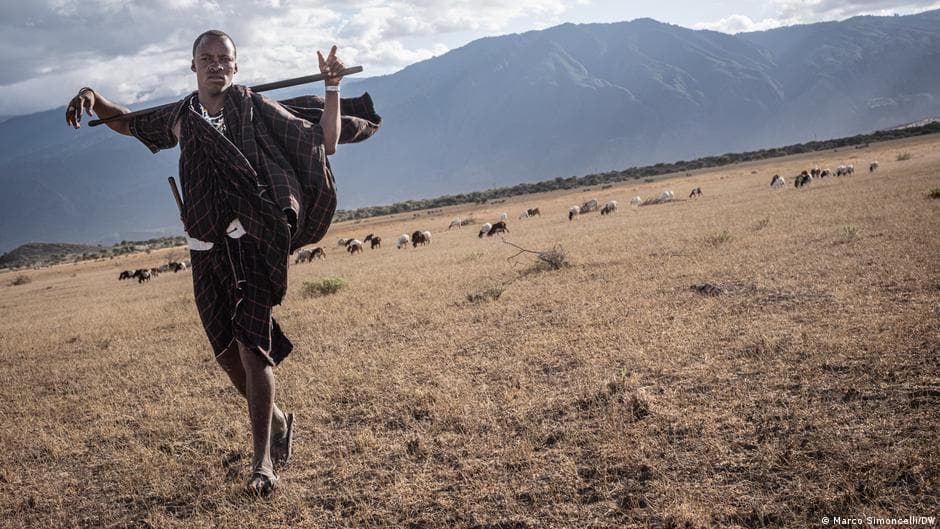
The human cost of wildlife conservation in Tanzania
🤖AI Özeti
In northern Tanzania, the interests of trophy hunting are increasingly impacting the Maasai communities, who are facing eviction from their ancestral lands. These developments are occurring alongside significant conservation efforts that are drawing criticism for their implications on local populations. The tension between wildlife preservation and the rights of indigenous people is becoming more pronounced as conservation initiatives grow in scale and funding.
💡AI Analizi
📚Bağlam ve Tarihsel Perspektif
Tanzania is known for its rich biodiversity and wildlife, attracting both tourists and conservation funding. However, the push for conservation has often come at the expense of local communities, particularly the Maasai, who have historically lived in harmony with the land. The current trend of evictions and the role of trophy hunting in this dynamic reflect a broader global challenge in balancing ecological preservation with social justice.
This article reflects the views of the author and does not necessarily represent the views of DW.
Orijinal Kaynak
Tam teknik rapor ve canlı veriler için yayıncının web sitesini ziyaret edin.
Kaynağı Görüntüleİlgili Haberler
Tümünü Gör


NewsAI Mobil Uygulamaları
Her yerde okuyun. iOS ve Android için ödüllü uygulamalarımızı indirin.