
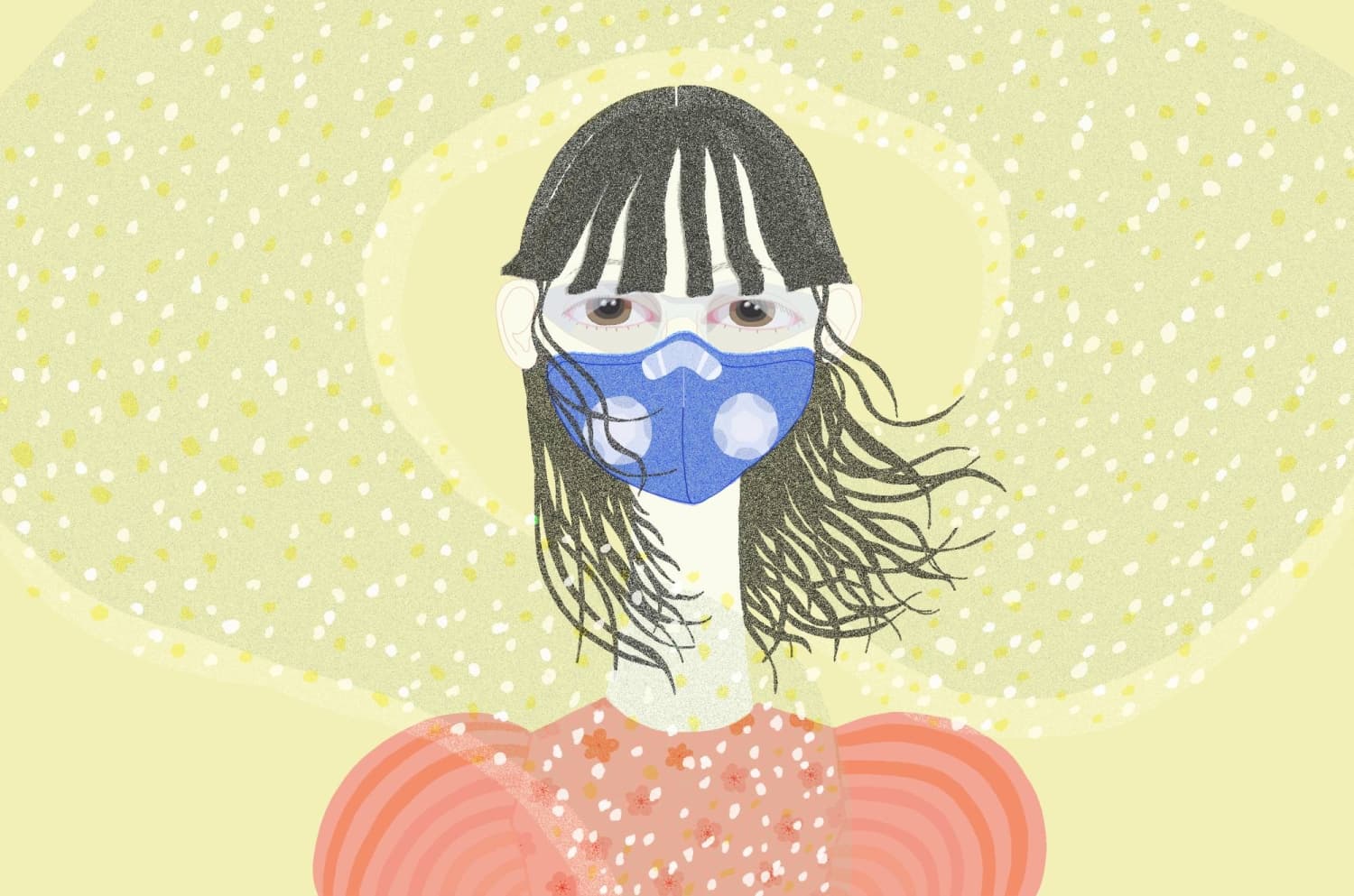
The human-made roots of Japan's hay fever crisis
🤖AI Özeti
Japan is facing a hay fever crisis exacerbated by human activities, prompting initiatives to thin forests and breed low-pollen cedar trees. However, these efforts are hindered by labor shortages and neglected land, complicating progress. As the country grapples with increasing pollen levels, the need for effective solutions becomes more urgent.
💡AI Analizi
📚Bağlam ve Tarihsel Perspektif
Hay fever, or allergic rhinitis, affects a significant portion of the Japanese population, particularly during the cedar pollen season. The crisis has prompted both government and private sector initiatives to address the issue, reflecting a growing awareness of the health impacts of environmental factors.
This article is for informational purposes only and does not constitute medical advice.
Orijinal Kaynak
Tam teknik rapor ve canlı veriler için yayıncının web sitesini ziyaret edin.
Kaynağı Görüntüleİlgili Haberler
Tümünü Gör


NewsAI Mobil Uygulamaları
Her yerde okuyun. iOS ve Android için ödüllü uygulamalarımızı indirin.