
The Limitations of Statistical Analysis in Soccer Explained
🤖AI Özeti
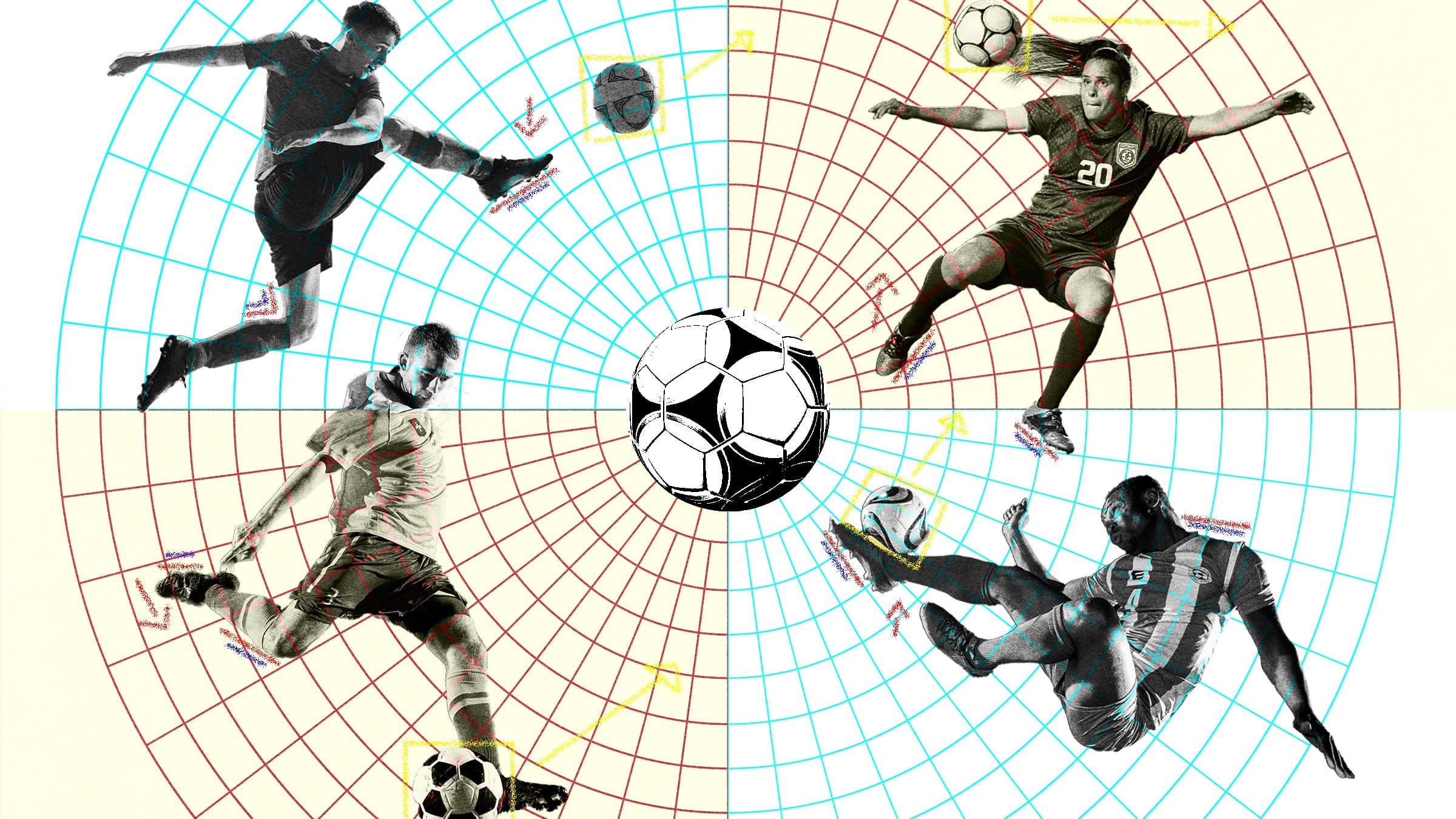
In the realm of soccer analytics, Sarah Rudd, a former analytics head at Arsenal, has gained recognition for her application of probability theory to player movements. However, she acknowledges the limitations of data in fully capturing the complexities of the game. This highlights a broader challenge in sports analytics, where qualitative factors often elude quantification. Rudd's insights underscore the ongoing tension between data-driven analysis and the unpredictable nature of soccer.
💡AI Analizi
📚Bağlam ve Tarihsel Perspektif
The use of analytics in sports has grown significantly, with many teams investing in data-driven strategies to enhance performance. However, soccer remains a unique challenge due to its fluid dynamics and the impact of human decision-making on the field. Rudd's experiences illustrate the ongoing debate within the sports community about the balance between data and the art of the game.
The views expressed in this article are those of the author and do not necessarily reflect the views of Wired or its affiliates.
Orijinal Kaynak
Tam teknik rapor ve canlı veriler için yayıncının web sitesini ziyaret edin.
Kaynağı Görüntüleİlgili Haberler
Tümünü Gör


NewsAI Mobil Uygulamaları
Her yerde okuyun. iOS ve Android için ödüllü uygulamalarımızı indirin.