
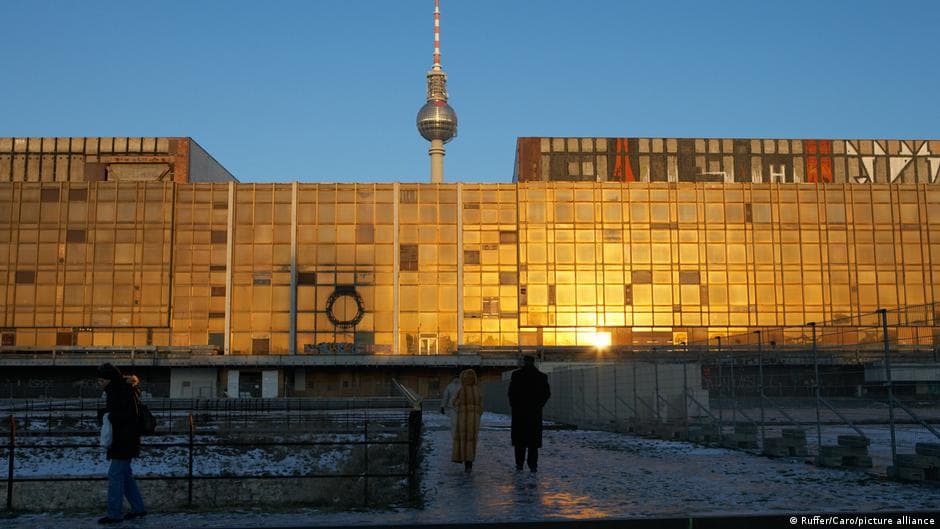
The rise and fall of East Germany's Palace of the Republic
🤖AI Özeti
The Palace of the Republic in East Berlin, operational from 1976 to 1990, was a significant emblem of the GDR's communist regime. Despite its controversial demolition post-reunification, the building's legacy continues to influence discussions about East Germany's history. Its existence as a cultural and political hub during its time is remembered, even as its physical structure has vanished.
💡AI Analizi
📚Bağlam ve Tarihsel Perspektif
Constructed during a period of significant political tension in Europe, the Palace of the Republic was intended to showcase the achievements of the socialist state. Its destruction in the early 1990s was part of a larger movement to dismantle symbols of the GDR, yet it also sparked debates about memory, identity, and the preservation of historical narratives.
This article reflects historical perspectives and does not endorse any political ideology.
Orijinal Kaynak
Tam teknik rapor ve canlı veriler için yayıncının web sitesini ziyaret edin.
Kaynağı Görüntüleİlgili Haberler
Tümünü Gör


NewsAI Mobil Uygulamaları
Her yerde okuyun. iOS ve Android için ödüllü uygulamalarımızı indirin.