
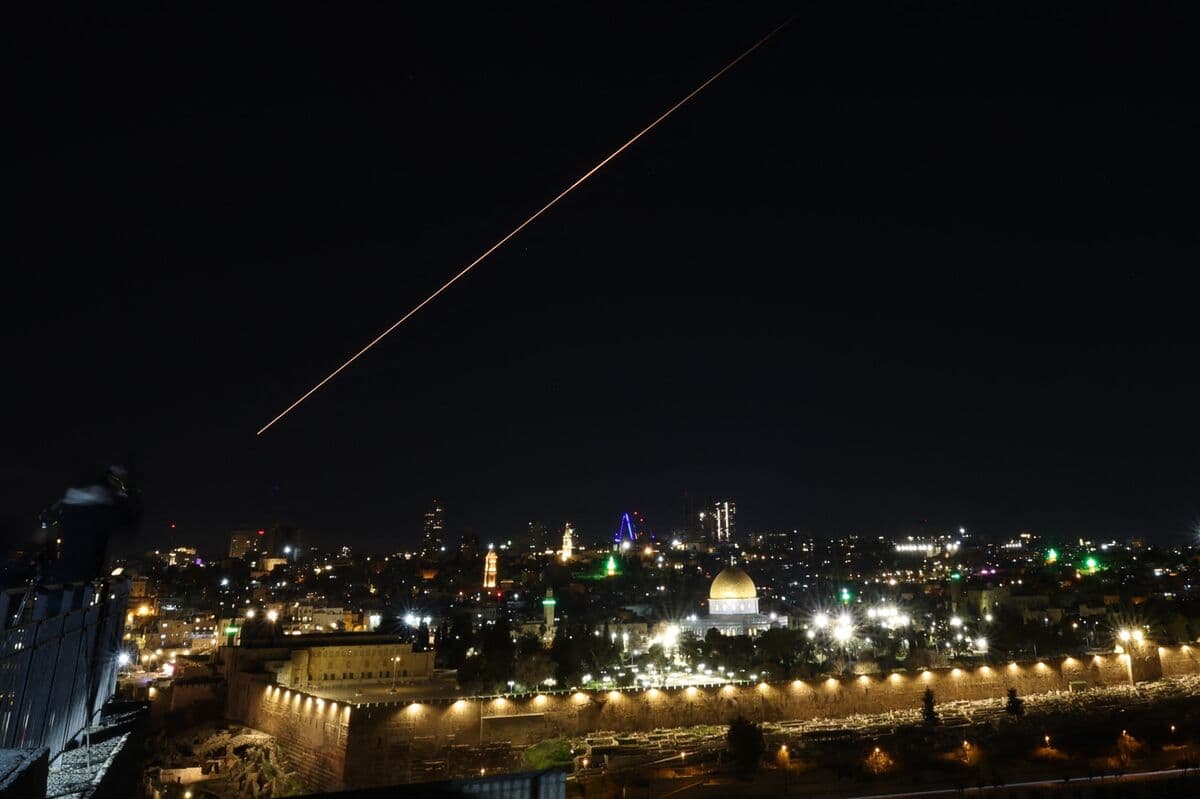
Why Iran’s Jerusalem Strikes Risk Sparking a Broader Religious Conflict
🤖AI Özeti
Iranian missile strikes near Jerusalem's sacred sites have heightened tensions and the potential for a wider religious conflict in the Middle East. These sites, including the Al-Aqsa Mosque, the Western Wall, and the Church of the Holy Sepulchre, hold significant importance for Muslims, Jews, and Christians. The repeated targeting of these locations raises concerns about the intentionality behind such actions and their implications for interfaith relations.
💡AI Analizi
📚Bağlam ve Tarihsel Perspektif
The Middle East has a long history of religiously charged conflicts, and the current geopolitical climate is particularly volatile. Iran's actions can be seen as part of a broader strategy to assert its influence in the region while challenging Israel's position. The sanctity of the targeted sites adds another layer of complexity, as any damage or perceived threat to these locations could incite widespread outrage.
This article reflects the views of the author and does not necessarily represent the views of Bloomberg or its affiliates.
Orijinal Kaynak
Tam teknik rapor ve canlı veriler için yayıncının web sitesini ziyaret edin.
Kaynağı Görüntüleİlgili Haberler
Tümünü Gör


NewsAI Mobil Uygulamaları
Her yerde okuyun. iOS ve Android için ödüllü uygulamalarımızı indirin.