
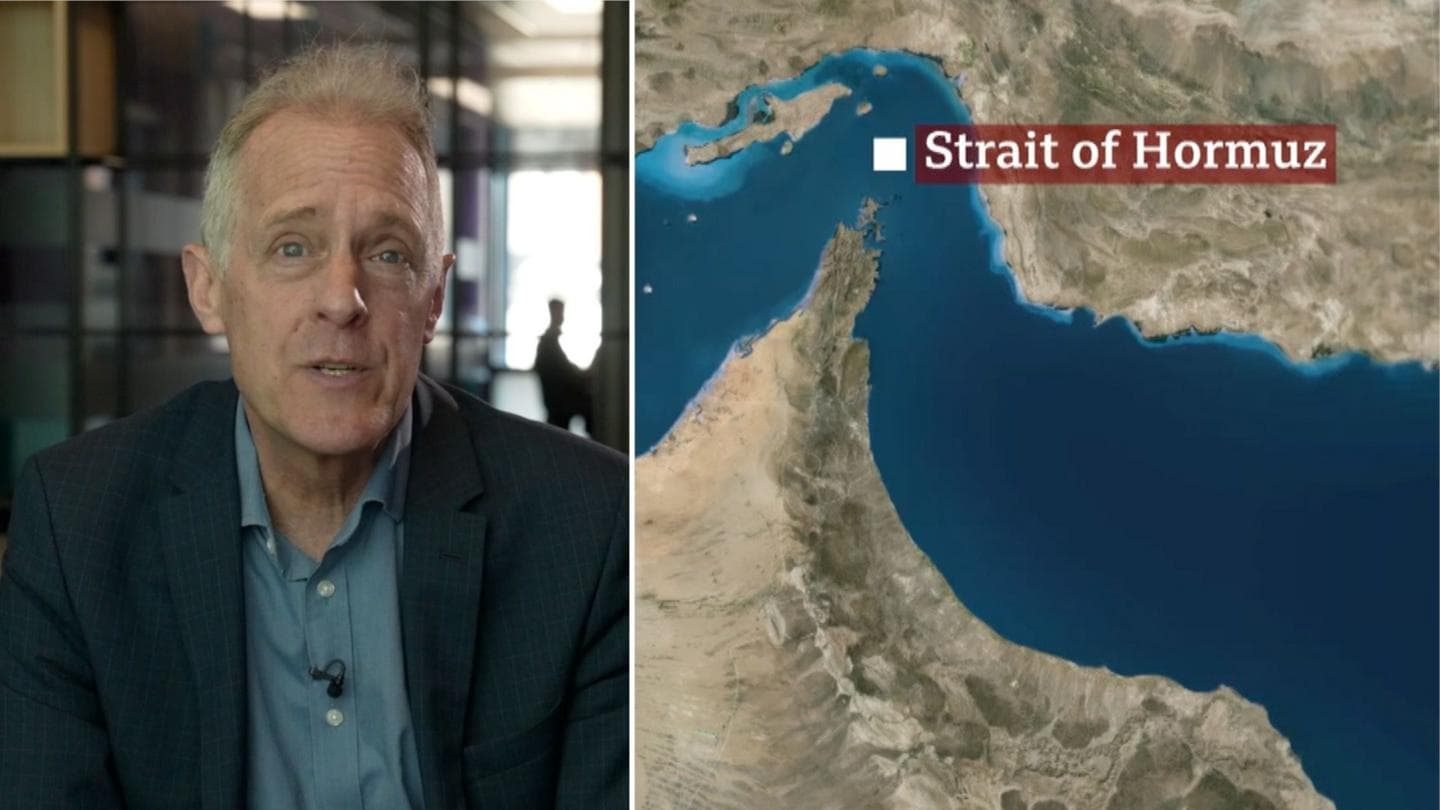
Why the geography of the Strait of Hormuz makes passing through it so risky
🤖AI Özeti
The Strait of Hormuz is a critical maritime chokepoint for global oil shipping, making its navigation perilous. Paul Adams highlights the geographical challenges and the high stakes involved in traversing this narrow waterway. The strait's strategic importance often leads to heightened tensions among nations, impacting global oil prices and security. Understanding these dynamics is essential for comprehending the broader implications for international trade and relations.
💡AI Analizi
📚Bağlam ve Tarihsel Perspektif
The Strait of Hormuz connects the Persian Gulf to the Gulf of Oman and is a crucial passage for oil tankers, with approximately 20% of the world's oil passing through it. The region has historically been a flashpoint for conflict, with various nations vying for influence and control over this strategic waterway. Recent tensions have further escalated concerns about the safety of maritime navigation in this area.
The views expressed in this article are those of the author and do not necessarily reflect the views of BBC News.
Orijinal Kaynak
Tam teknik rapor ve canlı veriler için yayıncının web sitesini ziyaret edin.
Kaynağı Görüntüleİlgili Haberler
Tümünü Gör


NewsAI Mobil Uygulamaları
Her yerde okuyun. iOS ve Android için ödüllü uygulamalarımızı indirin.