
Why Regime Change in Iran Is Harder Than Many Think
🤖AI Özeti
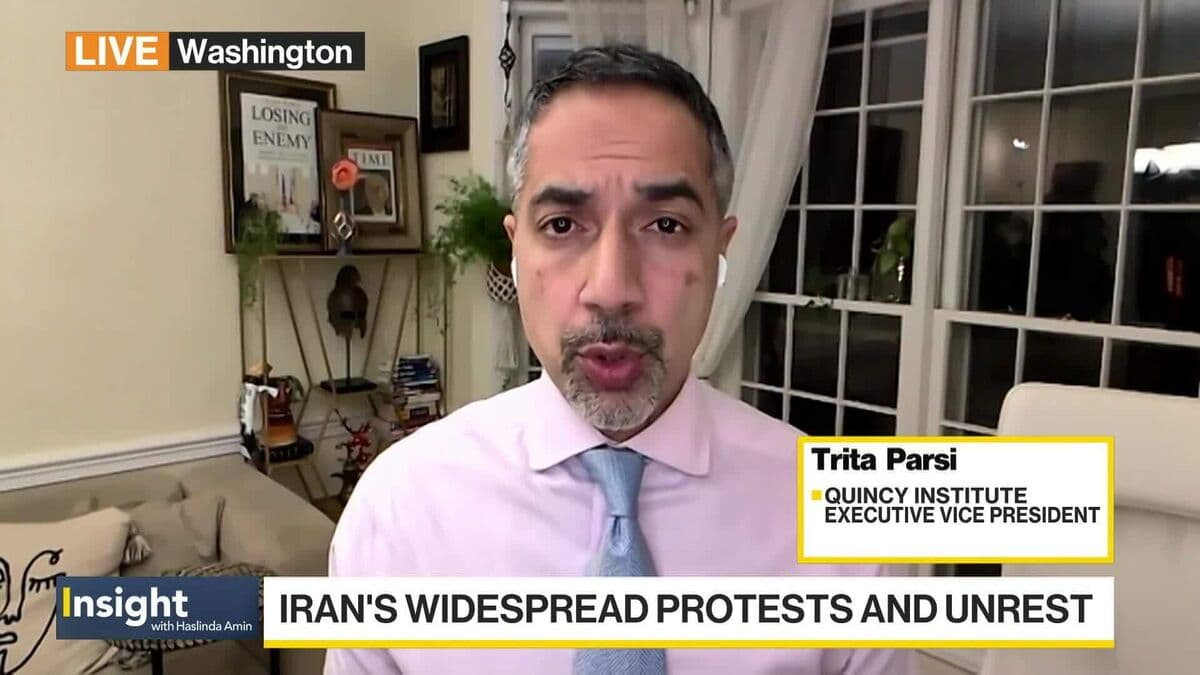
Trita Parsi, Executive Vice President of the Quincy Institute, discusses the complexities involved in dismantling Iran's regime, arguing that it is significantly more challenging than previous U.S. interventions in Iraq or Libya. He highlights the decentralized nature of power in Iran, suggesting that simply removing top leadership would not lead to the collapse of the state. Additionally, Parsi addresses ongoing protests in Iran, potential U.S. military actions, Israel's role, and the heightened risk of conflict in the Strait of Hormuz.
💡AI Analizi
📚Bağlam ve Tarihsel Perspektif
The discussion comes amid rising tensions in the Middle East, particularly concerning U.S. foreign policy and its implications for regional stability. The ongoing protests in Iran reflect domestic discontent, but the international community must consider the broader consequences of interventionist strategies.
This article reflects the views of Trita Parsi and does not necessarily represent the opinions of Bloomberg or its affiliates.
Orijinal Kaynak
Tam teknik rapor ve canlı veriler için yayıncının web sitesini ziyaret edin.
Kaynağı Görüntüleİlgili Haberler
Tümünü Gör


NewsAI Mobil Uygulamaları
Her yerde okuyun. iOS ve Android için ödüllü uygulamalarımızı indirin.