
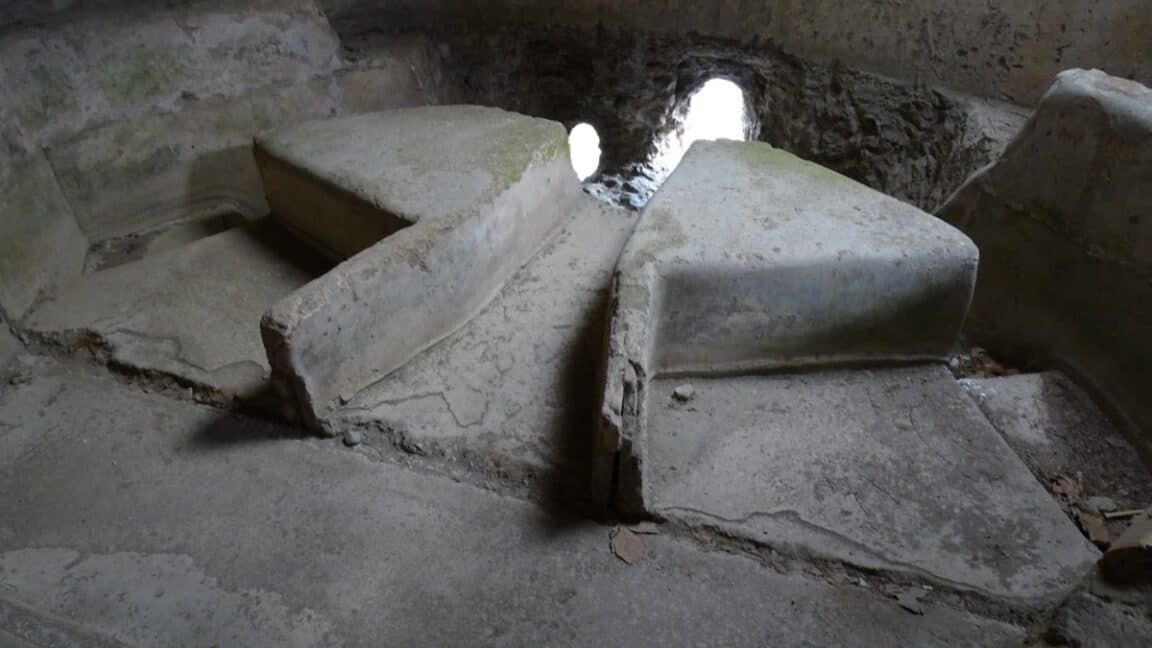
Switching water sources improved hygiene of Pompeii’s public baths
🤖AI Özeti
Recent research has revealed that switching water sources significantly improved the hygiene of public baths in Pompeii. By analyzing carbonate deposits from the baths and aqueduct, scientists gained insights into the city's evolving water supply. This study sheds light on the historical practices of water management in ancient Rome, particularly in urban settings.
💡AI Analizi
📚Bağlam ve Tarihsel Perspektif
Pompeii, a city famously preserved by volcanic ash, offers a unique glimpse into Roman life. The public baths were central to social and hygienic practices, making the study of their water sources crucial for understanding the city's public health dynamics. The analysis of carbonate deposits provides a tangible link to the past, revealing how water sourcing impacted daily life.
This article is based on scientific research and interpretations that may evolve with further studies.
Orijinal Kaynak
Tam teknik rapor ve canlı veriler için yayıncının web sitesini ziyaret edin.
Kaynağı Görüntüleİlgili Haberler
Tümünü Gör
Ikone stuns Paris Saint-Germain as Paris FC reach French Cup last 16
13 Ocak 2026
New Proposed Legislation Would Let Self-Driving Cars Operate in New York State
13 Ocak 2026
I spent months investigating whether gut health affects ageing - and if I could hack my own gut to age better
13 Ocak 2026NewsAI Mobil Uygulamaları
Her yerde okuyun. iOS ve Android için ödüllü uygulamalarımızı indirin.